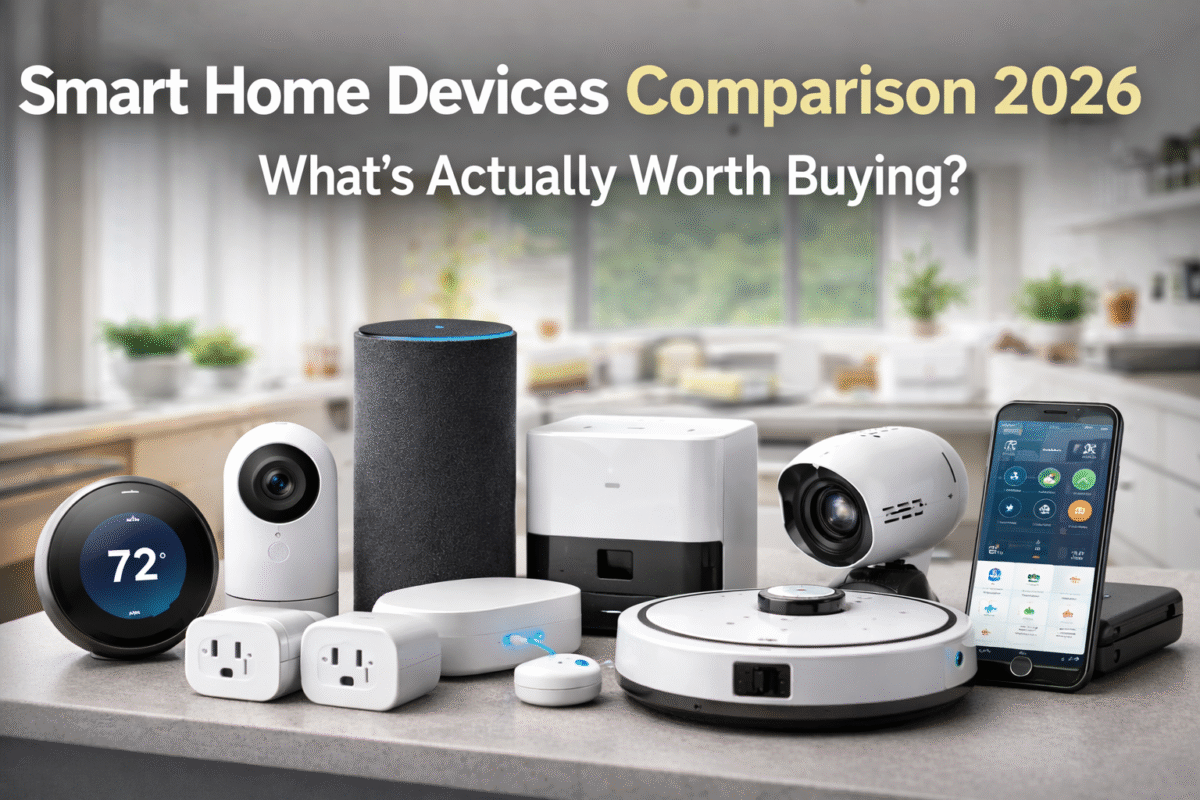
👉 Stop wasting money on useless gadgets. This smart home devices comparison 2026 shows what actually works, what’s overrated, and what’s worth your investment.
Smart Home Devices Comparison 2026: What’s Actually Worth Buying?
Stop wasting money on useless gadgets. This smart home devices comparison 2026 reveals what actually works, what’s overrated, and what truly improves your daily life.
Why Most Smart Home Devices Are a Waste of Money
The idea of building a smart home sounds exciting. Voice control, automation, convenience — everything feels futuristic. But the reality is very different.
Most people buy random devices without a clear strategy. They end up with disconnected systems, apps that don’t talk to each other, and gadgets they barely use after a few weeks.
That’s exactly why this smart home devices comparison 2026 exists — to help you avoid those mistakes and focus only on what actually delivers value.
Instead of listing hundreds of products, we’ll break down what truly matters:
- Which smart devices are essential
- Which ones are overrated
- Which ones save money
- Which ones improve your lifestyle
Quick Winners: Smart Devices That Are Actually Worth It
If you don’t want to overthink everything, here are the categories that consistently deliver real value in any smart home setup.
- Smart Speakers: The control center of your home
- Smart Plugs: Cheap automation with instant results
- Robot Vacuums: Save time daily
- Smart Sensors: Prevent expensive damage
- Security Cameras: Peace of mind anywhere
These are not trends — they are proven tools that actually improve daily life when used correctly.
If you’re still building your system, you should also check this complete setup guide:
👉 Smart Home Setup 2026: Complete Beginner Guide
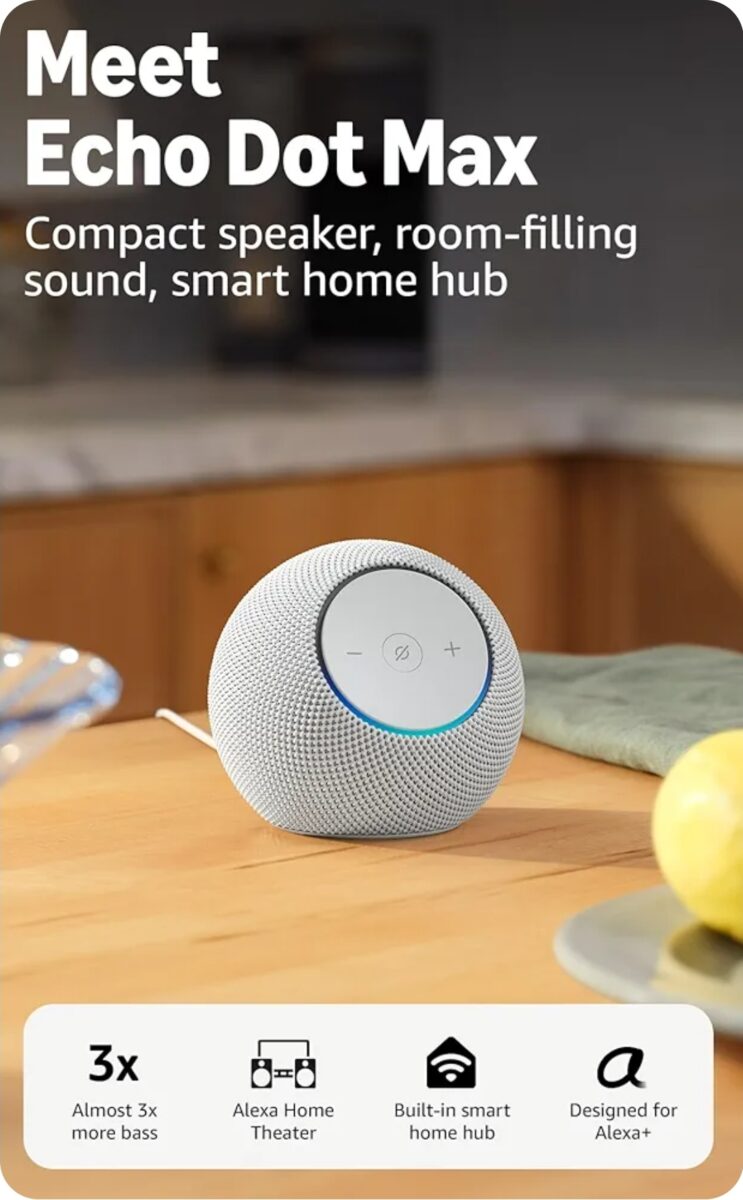
Smart Speakers Comparison: Alexa vs Google Assistant
Every smart home needs a central brain. This is where voice assistants come in.
Alexa (Amazon Ecosystem)
Alexa remains the most compatible smart assistant in 2026. It works with thousands of devices and offers the widest ecosystem.
- Best compatibility with smart devices
- Easy automation routines
- Strong integration with Amazon products
Google Assistant
Google Assistant is smarter in terms of AI responses and natural conversation, but slightly more limited in device compatibility.
- Better voice understanding
- Strong Google ecosystem integration
- Clean interface
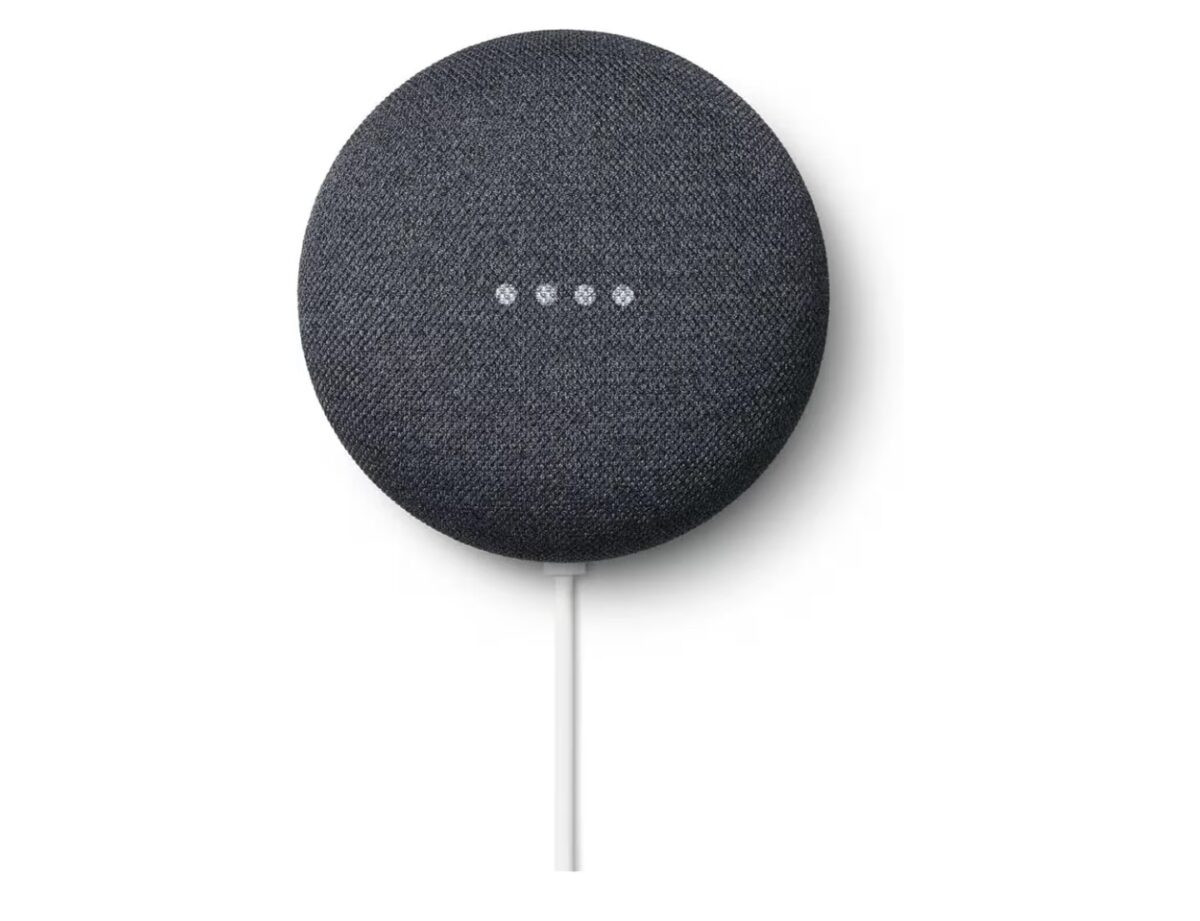
Verdict: If you want flexibility, go with Alexa. If you want smarter interaction, Google wins.
Smart Plugs vs Smart Switches: Which One Should You Choose?
This is one of the most common decisions in any smart home devices comparison 2026.
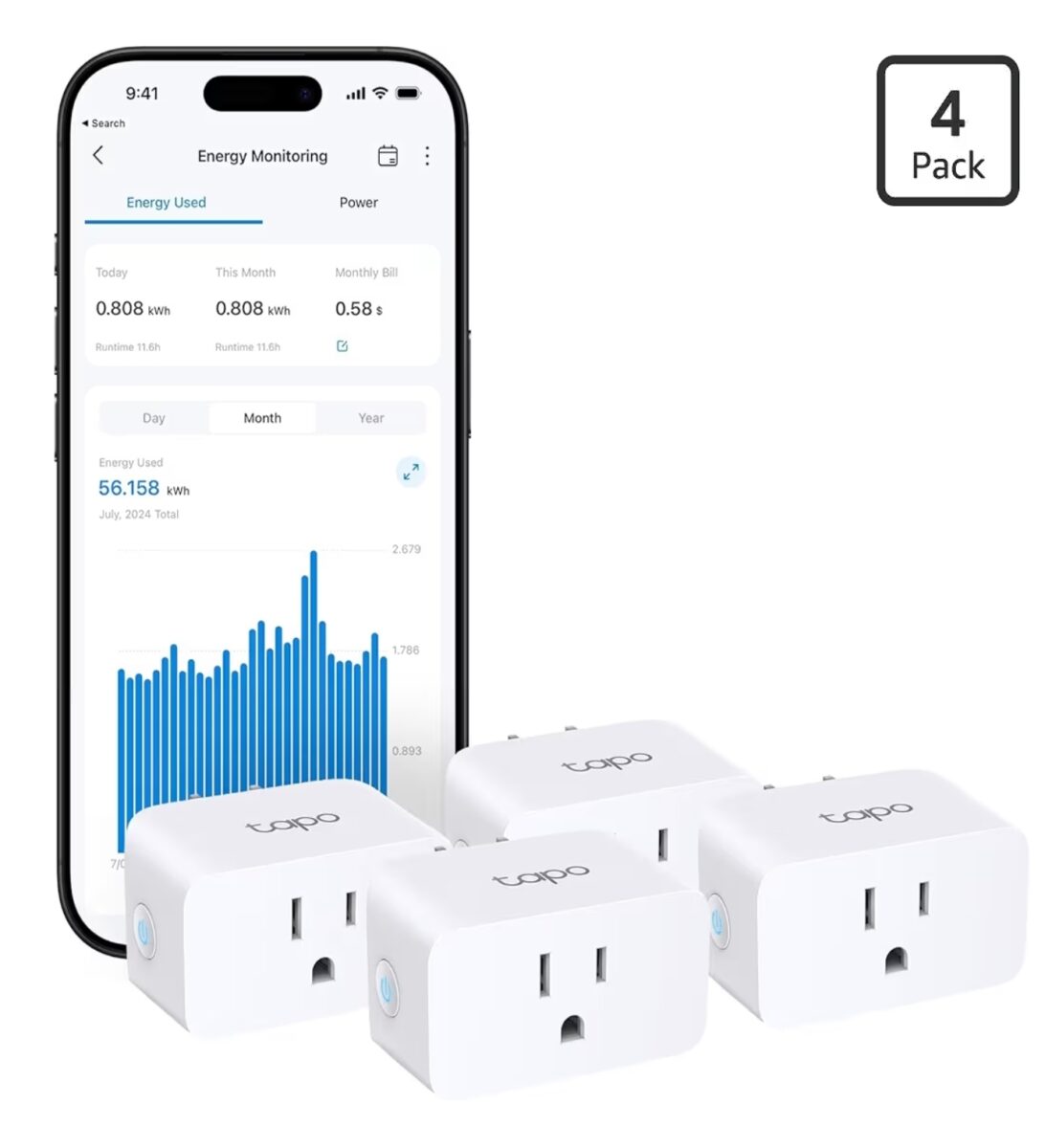
Smart Plugs
Smart plugs are the easiest and cheapest way to automate your home.
- No installation required
- Perfect for beginners
- Great for lamps, coffee makers, and TVs
Smart Switches
Smart switches replace your wall switches and give you full control over lighting systems.
- More permanent solution
- Better for full-home automation
- Requires installation
Verdict: Start with smart plugs. Upgrade to switches later if needed.
Robot Vacuums Comparison 2026: Budget vs Premium (Real Difference)
One of the most popular categories in any smart home devices comparison 2026 is robot vacuums — and for good reason. These devices can completely eliminate one of the most repetitive daily tasks: cleaning.
But not all robot vacuums are created equal. The difference between a $150 model and a $900 premium unit is massive, and choosing the wrong one can lead to frustration instead of convenience.
Budget Robot Vacuums ($150–$300)
- Basic navigation (random or semi-random)
- Decent suction for small spaces
- No advanced mapping
- Manual emptying required
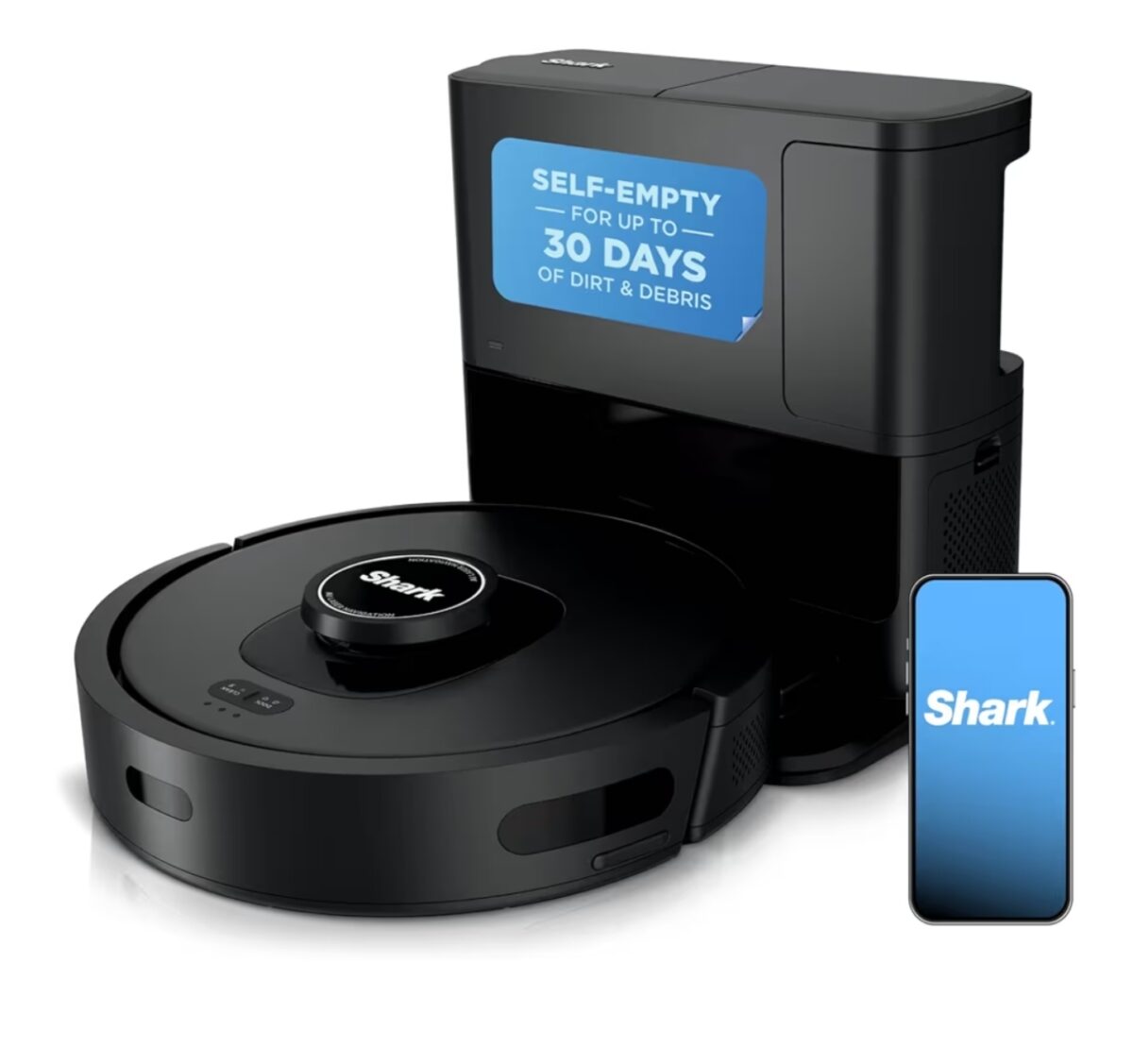
These are great if you live in a small apartment or just want light maintenance cleaning. However, they struggle with carpets, obstacles, and complex layouts.
Premium Robot Vacuums ($600–$1200)
- Advanced LiDAR or AI navigation
- Smart mapping and room control
- Auto-empty stations
- Stronger suction and obstacle detection
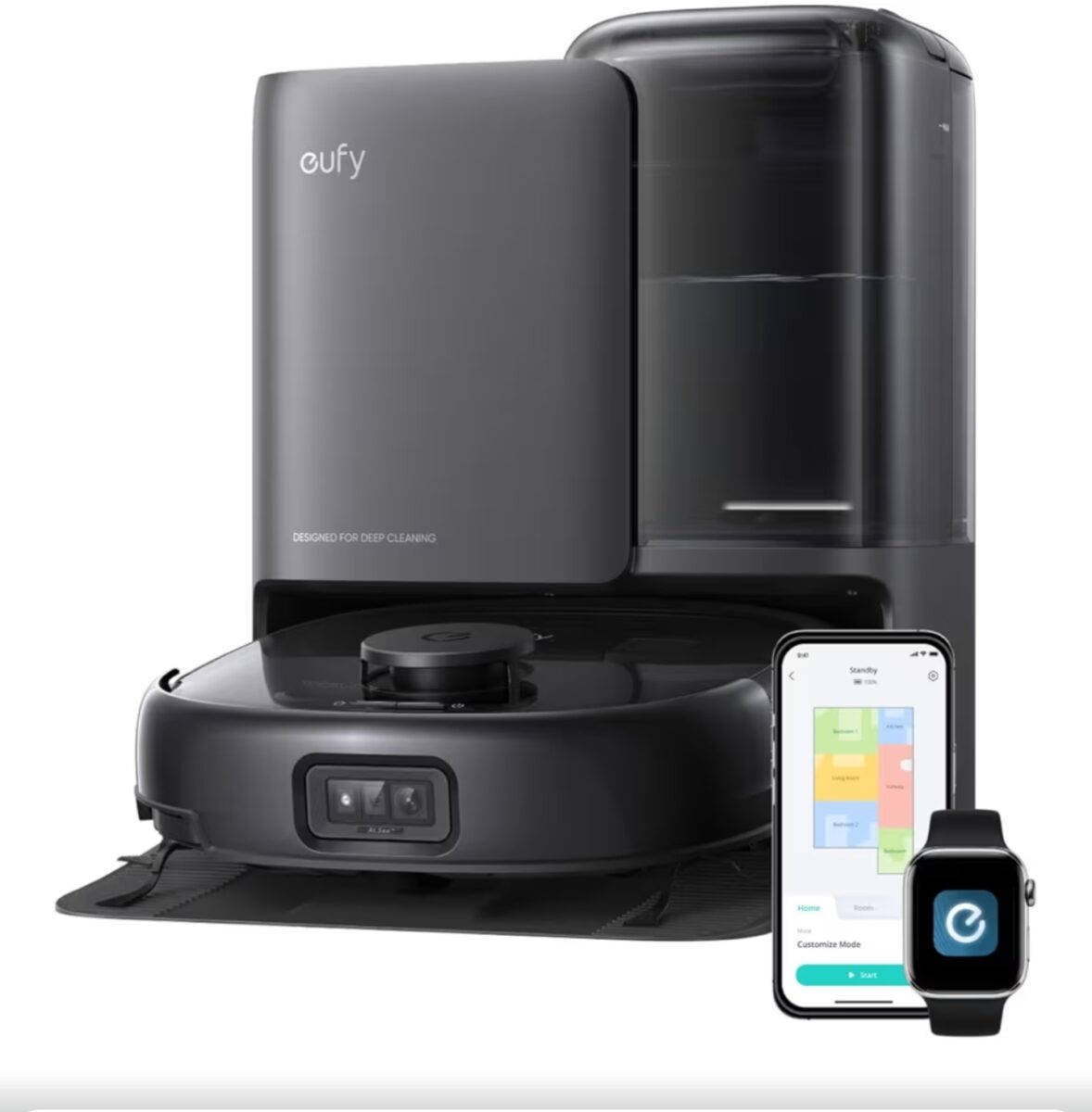
Premium models are ideal if you want a true “set and forget” experience. They clean efficiently, avoid cables, and require minimal intervention.
Verdict: If you value time and automation, premium is worth it. If you’re just testing smart devices, start budget.
Smart Security Cameras: Indoor vs Outdoor (What You Actually Need)
Security is another major reason people invest in smart homes. But buying the wrong type of camera is a common mistake.
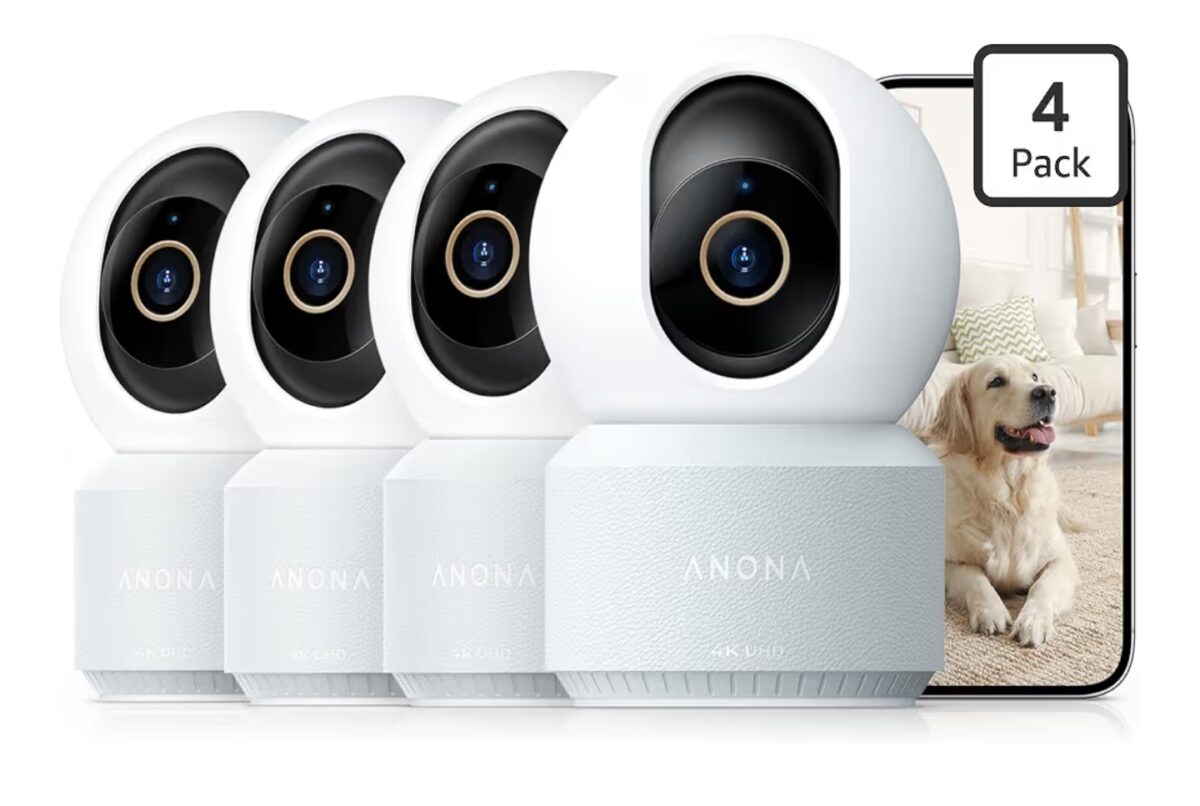
Indoor Cameras
- Easy to install
- Affordable
- Ideal for monitoring pets or rooms
- Limited durability
Outdoor Cameras
- Weather-resistant
- Night vision and motion detection
- Higher cost
- Requires proper placement
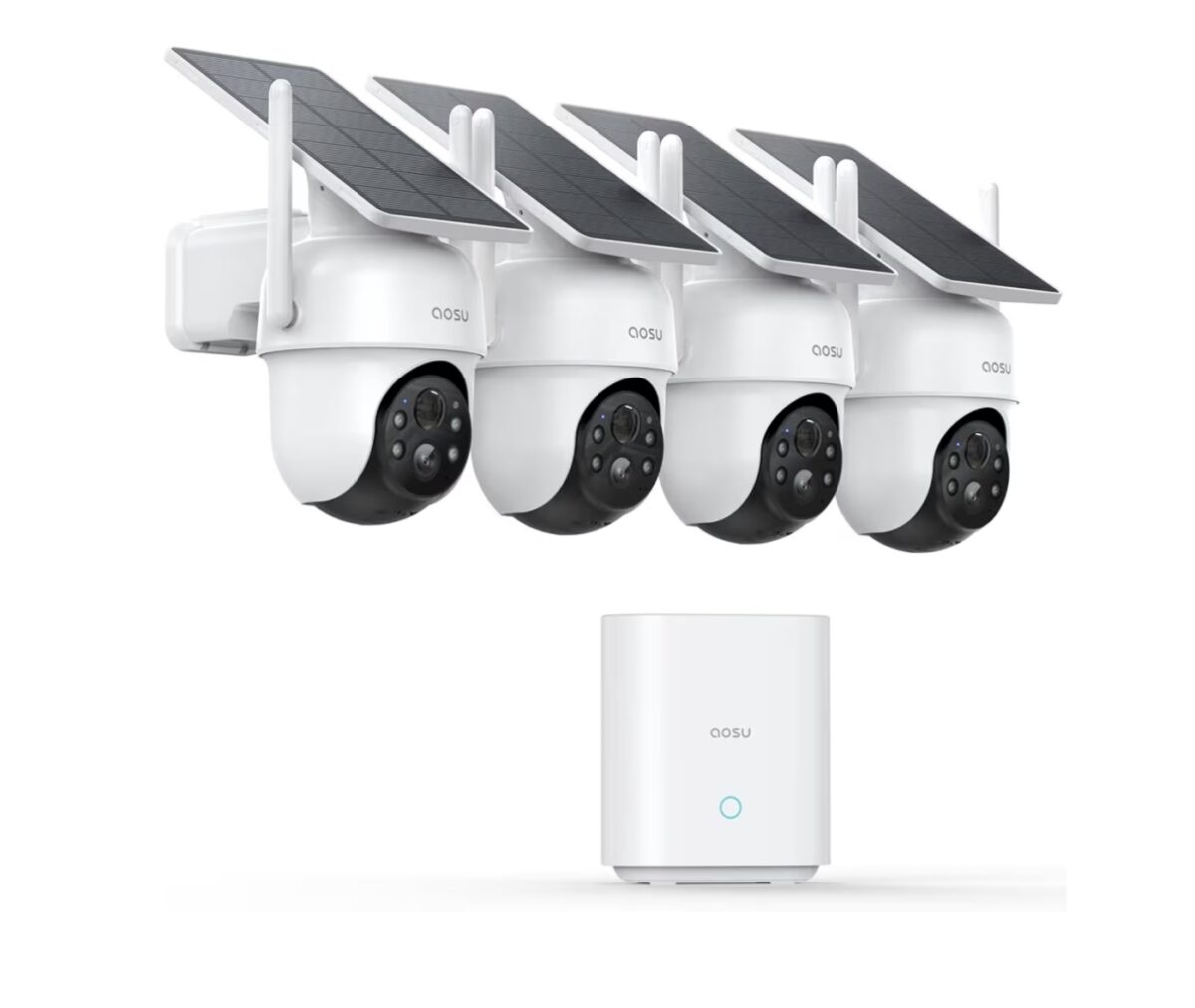
Verdict: If your goal is protection, outdoor cameras are essential. Indoor cameras are more about monitoring, not security.
Smart Sensors: The Most Underrated Devices in 2026
Smart sensors are often ignored — but they can save you thousands of dollars in damage. This is one of the most important parts of this smart home devices comparison 2026.
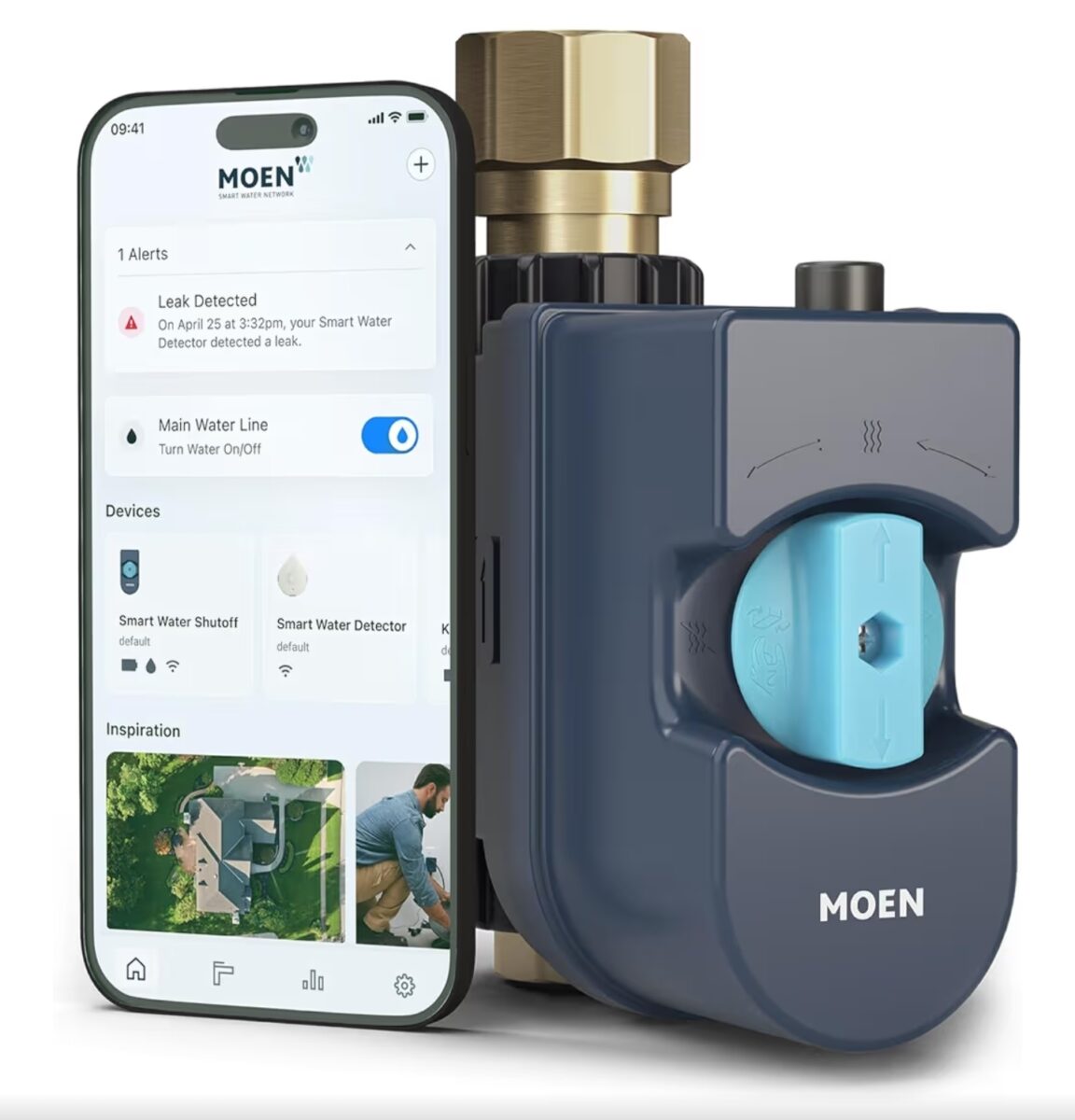
Water Leak Sensors
- Detect leaks instantly
- Prevent costly repairs
- Perfect for kitchens and bathrooms
Motion Sensors
- Automate lights
- Improve energy efficiency
- Enhance security systems
Door & Window Sensors
- Instant alerts when opened
- Essential for home security
Verdict: These are low-cost, high-impact devices. Every smart home should include them.
Smart Devices That Are NOT Worth Buying (Avoid These)
Not every smart gadget is a good investment. In fact, many are unnecessary and overpriced.
Smart Refrigerators
They look impressive but offer little real value compared to their price.
Smart Mirrors
Interesting concept, but rarely used in daily life.
Overpriced Smart Light Systems
Many premium lighting systems are not worth it when smart plugs or basic bulbs can do the job.
Rule: If it doesn’t save time, money, or improve convenience — skip it.
Best Smart Home Setup Based on Your Lifestyle
The best setup depends on your situation. Here’s how to build your system based on your needs.
For Beginners
- Smart speaker
- 2–3 smart plugs
- Basic security camera
For Renters
- No-install devices only
- Portable sensors
- Plug-and-play automation
For Budget Users
- Focus on automation (plugs + sensors)
- Avoid premium devices early
For Advanced Users
- Full automation routines
- Integrated security system
- Premium robot vacuum
If you want a full step-by-step system, check this:
Real User Experience: What Actually Changes in Daily Life?
After testing and analyzing multiple setups for this smart home devices comparison 2026, one thing becomes clear: the real value of smart devices is not in the technology — it’s in how they simplify your daily routine.
Users who build their smart home correctly report three main improvements:
- Time saved: automated cleaning, lighting, and routines
- Lower stress: fewer daily tasks to manage
- Better control: everything managed from one place
However, users who buy randomly often experience the opposite: frustration, wasted money, and unused devices.
That’s why understanding this smart home devices comparison 2026 is essential before buying anything.
How to Choose the Right Smart Home Devices in 2026
Choosing the right products in this smart home devices comparison 2026 is not about buying the most expensive gadget — it’s about choosing what actually fits your lifestyle.
Before buying anything, ask yourself these key questions:
- Does this device solve a real problem in my daily life?
- Can it integrate with my existing ecosystem?
- Will I actually use it every day?
- Does it automate something I currently do manually?
Most people fail because they buy based on trends instead of functionality. A successful smart home setup is built around usefulness, not hype.
If you’re still unsure where to start, you should check this step-by-step guide:
Is Smart Home Devices Comparison 2026 Still Relevant in a Fast-Changing Market?
Technology evolves quickly, but the fundamentals behind a smart home devices comparison 2026 remain the same: choosing devices that provide real value, not just hype.
Every year, new products enter the market claiming to be smarter, faster, and more advanced. However, most of them fail to deliver meaningful improvements in daily life.
That’s why this smart home devices comparison 2026 focuses on real-world usability rather than marketing promises.
Instead of chasing trends, focus on:
- Devices that automate daily tasks
- Products with proven reliability
- Systems that integrate easily
The truth is simple: a well-built smart home in 2026 is not about having more devices — it’s about having the right ones.
Real User Experience & Ratings: Smart Home Devices Comparison 2026
To make this smart home devices comparison 2026 truly useful, we analyzed real-world usage patterns, expert testing, and user feedback across different smart home categories.
Instead of focusing only on specs, this table shows what actually matters: usability, reliability, and long-term satisfaction.
| Device Type | User Satisfaction | Ease of Use | Real Value | Common Complaints |
|---|---|---|---|---|
| Smart Speakers | ⭐⭐⭐⭐⭐ (4.7/5) | Very Easy | High | Privacy concerns, ecosystem lock-in |
| Smart Plugs | ⭐⭐⭐⭐⭐ (4.6/5) | Extremely Easy | Very High | Limited to simple automation |
| Robot Vacuums | ⭐⭐⭐⭐☆ (4.5/5) | Moderate | Very High | Navigation issues in cheap models |
| Security Cameras | ⭐⭐⭐⭐☆ (4.4/5) | Easy | High | Subscription costs, privacy concerns |
| Smart Sensors | ⭐⭐⭐⭐⭐ (4.8/5) | Very Easy | Extremely High | Limited visibility (silent devices) |
| Smart Lighting Systems | ⭐⭐⭐⭐☆ (4.3/5) | Moderate | Medium | High cost vs alternatives |
| Smart Appliances | ⭐⭐⭐☆☆ (3.8/5) | Moderate | Low | Overpriced, low real usage |
These ratings align with real-world testing trends where devices like robot vacuums and sensors consistently deliver strong value, while overpriced smart appliances often fail to justify their cost.
Smart Home Devices Comparison 2026: Real Cost vs Real Value (What People Don’t Tell You)
One of the biggest mistakes people make when reading a smart home devices comparison 2026 is focusing only on the price of the device instead of the long-term value it provides.
A $50 gadget that you never use is more expensive than a $700 device that saves you hours every week.
This is where most buyers get it wrong — they optimize for price instead of impact.
Low-Cost Devices That Deliver High Value
Some of the most powerful upgrades in a smart home come from inexpensive devices that automate repetitive tasks.
- Smart plugs: automate daily routines instantly
- Motion sensors: reduce energy waste
- Water leak sensors: prevent thousands in damage
These devices may seem simple, but they provide immediate ROI because they remove friction from everyday life.
Mid-Range Devices That Improve Lifestyle
Mid-range devices are where comfort and convenience start to become noticeable.
- Smart lighting systems
- Smart thermostats
- Indoor security cameras
These don’t just automate — they improve how your home feels and functions daily.
Premium Devices That Replace Entire Tasks
Premium smart devices should not be seen as “expensive gadgets,” but as replacements for manual work.
- Robot vacuums with auto-empty
- Advanced security systems
- Integrated smart home hubs
In a real smart home devices comparison 2026, these are the devices that deliver the highest long-term value.
If you want to understand how these devices connect into a full system, check:
What a Fully Optimized Smart Home Actually Looks Like in 2026
After analyzing dozens of setups for this smart home devices comparison 2026, one thing becomes clear: the best smart homes are not the ones with the most devices, but the ones with the best integration.
A well-optimized smart home works silently in the background. You don’t think about it — it just works.
Morning Routine Automation
Lights turn on gradually, coffee starts brewing, and the thermostat adjusts automatically. No manual interaction needed.
Daytime Efficiency
Energy usage is optimized through smart plugs and sensors. Devices turn off when not needed.
Night Security Mode
Doors lock automatically, cameras activate, and motion alerts are enabled.
This level of automation is what separates a real smart home from a collection of random gadgets.
That’s why every smart home devices comparison 2026 should focus on integration, not individual products.
The Biggest Shift in 2026
The biggest change in modern smart homes is the move toward full automation instead of manual control.
- Less tapping apps
- More background automation
- More predictive behavior from devices
This is where the real value of smart technology is unlocked.
Common Mistakes People Make When Buying Smart Devices
Even after reading a full smart home devices comparison 2026, many users still make avoidable mistakes that cost them money and time.
- Buying too many devices at once → leads to confusion
- Mixing incompatible ecosystems → devices don’t sync
- Ignoring automation → using devices manually defeats the purpose
- Overpaying for premium features → not always necessary
The smartest approach is simple:
👉 Start small → test → expand
This is the exact strategy behind every successful smart home system in 2026.
Frequently Asked Questions (FAQ)
Are smart home devices worth it in 2026?
Yes — but only if you choose the right ones. Focus on automation, security, and convenience. Avoid novelty gadgets.
What is the best smart home system for beginners?
A simple setup with a smart speaker, smart plugs, and one automation routine is the best way to start.
Do smart home devices increase electricity bills?
No. In most cases, they actually reduce energy usage by automating lights and appliances.
Which smart device should I buy first?
Start with a smart speaker and smart plugs. These give the fastest and most noticeable results.
Are expensive smart devices always better?
Not always. Some premium devices are worth it (like robot vacuums), but others are overpriced and unnecessary.
Final Verdict: What’s Actually Worth Buying?
After this complete smart home devices comparison 2026, the conclusion is simple:
- Start small and scale gradually
- Focus on devices that automate real tasks
- Avoid hype-driven purchases
- Build around a central ecosystem
If you follow this approach, your smart home will actually improve your life — not complicate it.
👉 If you’re serious about building your system the right way, don’t miss this full guide:
Smart Home Setup 2026: Complete Beginner Guide
Affiliate Disclaimer
Some links in this article may be affiliate links. This means we may earn a small commission at no extra cost to you if you make a purchase. We only recommend products that we genuinely believe provide value.
About the Author
Written by a smart home enthusiast focused on real-world testing, practical setups, and honest recommendations. The goal is simple: help you build a smarter home without wasting money.
Follow for more smart home guides, reviews, and comparisons.
Follow Us for More Smart Home Tips 🚀
Stay updated with the latest smart home devices, real reviews, and buying guides.
🔥 Join 120,000+ Smart Shoppers!
Get exclusive gadget deals, viral Amazon finds and tech reviews before they trend. Only the best — straight to your inbox every week 🚀