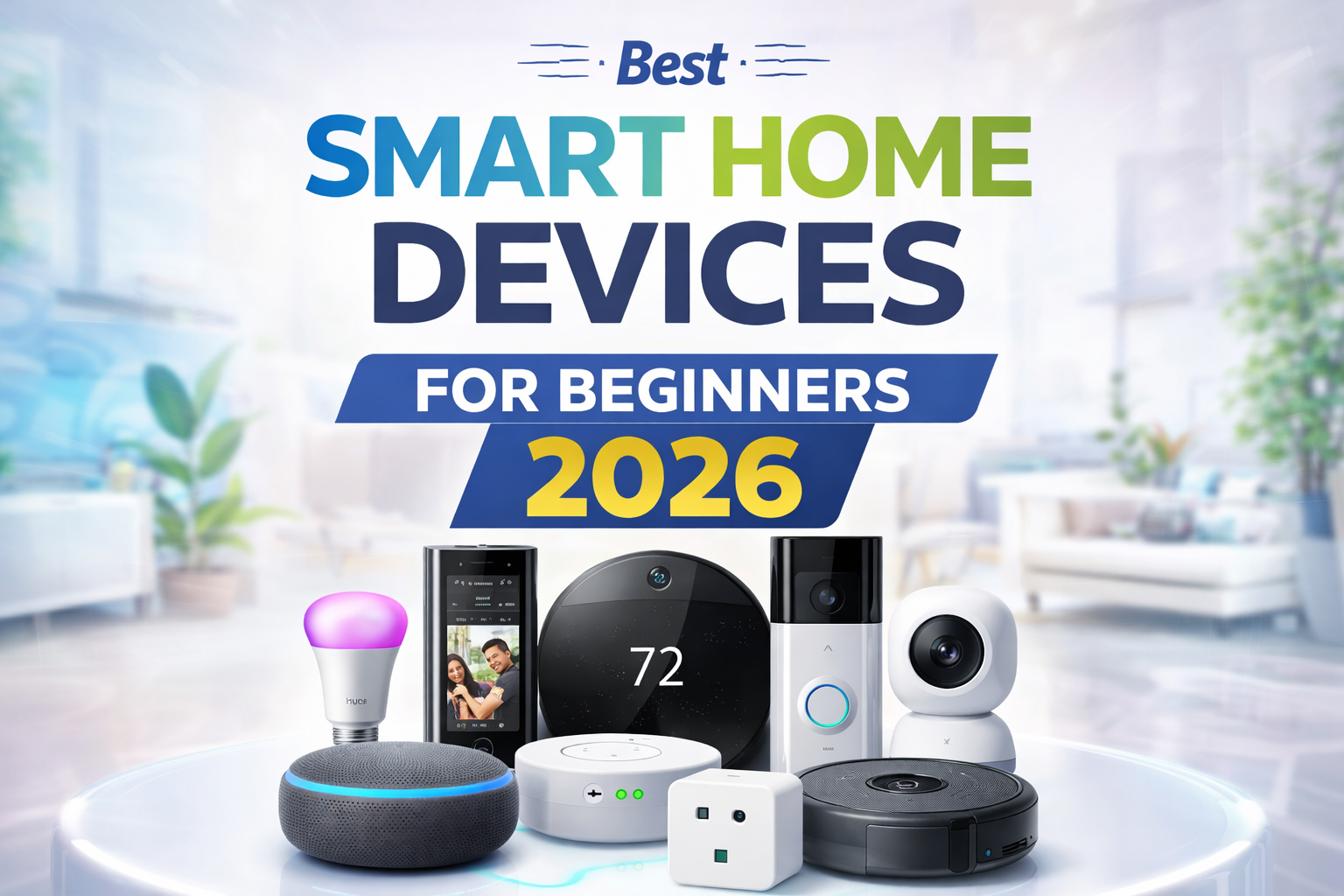
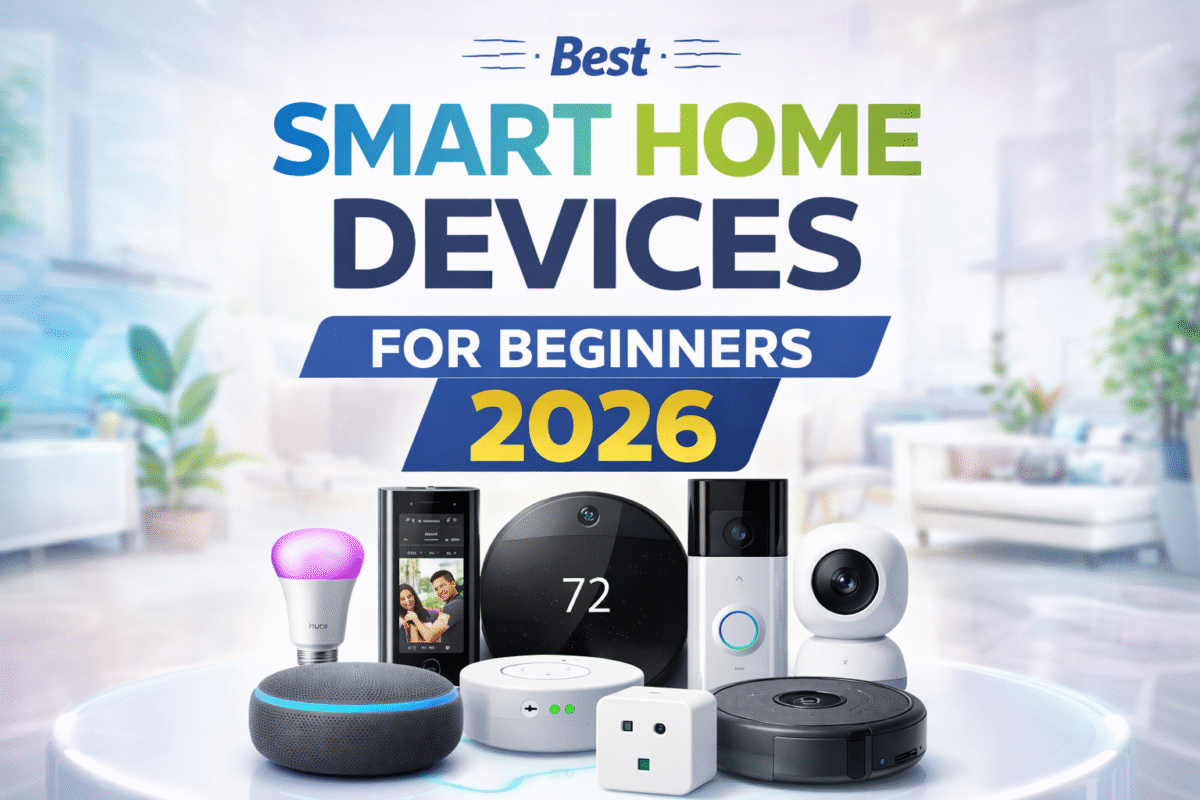
👉 Best Smart Home Devices for Beginners in 2026 That Actually Save Time and Simplify Your Daily Life.
Most people entering the smart home space in 2026 make the same critical mistake: they focus on buying devices instead of building a system.
The result is predictable.
Instead of saving time, their setup becomes fragmented. Multiple apps, inconsistent performance, and devices that don’t communicate properly turn what should be a smart home into a daily frustration.
The reality is simple: a smart home is not defined by how many devices you own — it is defined by how effectively your system reduces effort and automates your daily life.
This guide breaks down the best smart home devices for beginners in 2026, focusing only on what actually works in real-world scenarios.
No hype. No unnecessary gadgets. Just a clear, structured approach to building a system that delivers real value.
Why Most Smart Home Setups Fail (Even in 2026)
Despite rapid improvements in smart home technology, most beginner setups still fail to deliver meaningful results.
This is not because the technology is flawed. It is because the approach is wrong.
After analyzing real user behavior and common setup patterns, the same issues appear repeatedly:
- Buying devices based on trends instead of actual needs
- Mixing multiple ecosystems without a clear structure
- Using devices manually instead of automating them
- Overcomplicating the system too early
These mistakes lead to inefficient systems that require constant input instead of reducing effort.
If you recognize these patterns, you are not alone — this is one of the most common problems beginners face.
👉 To avoid these issues completely, read:
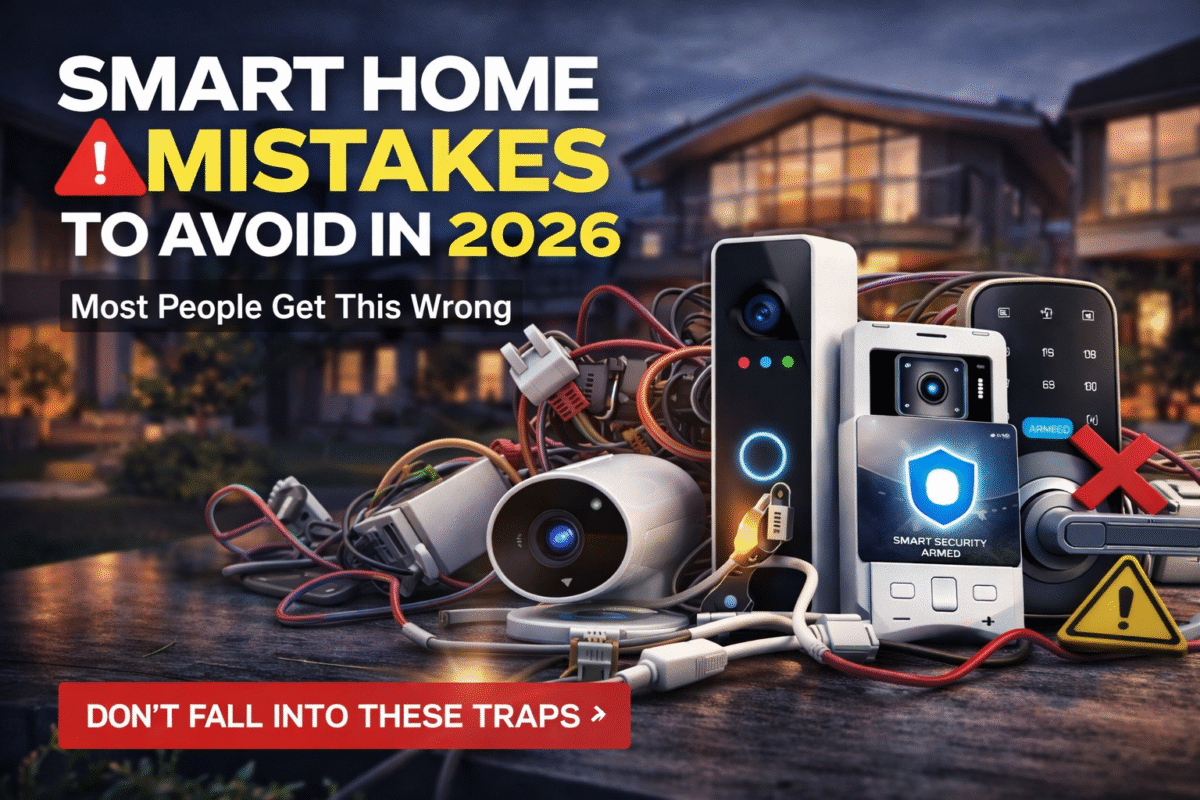
Smart Home Mistakes to Avoid in 2026
What Actually Defines a Smart Home in 2026
In 2026, smart homes are no longer about isolated gadgets. They are about connected systems that operate with minimal human interaction.
The difference between a functional smart home and a frustrating one comes down to three core principles.
1. Integration Over Quantity
A beginner mistake is assuming that more devices create a better system.
In reality, a small number of well-integrated devices will always outperform a large number of disconnected ones.
Integration allows your home to behave as a single system rather than isolated components.
2. Automation Over Manual Control
If you still rely on apps or voice commands for basic actions, your system is not optimized.
True smart homes rely on automation:
- Lights adjust automatically based on time and presence
- Cleaning runs without manual triggers
- Temperature adapts to your routine
This is where real efficiency is created.
👉 For real automation examples, read:
AI Smart Home Devices That Actually Work in 2026
3. Real-Life Use Cases
Every device in your system must solve a real problem.
If a device does not:
- Save time
- Reduce effort
- Improve comfort
- Enhance security
Then it is not essential.
👉 To understand how to build a complete system, read:
Smart Home Setup 2026: Complete Beginner Guide
The Smart Home Framework: The Only Devices Beginners Actually Need
Instead of overwhelming yourself with dozens of options, you should focus on a structured framework.
This framework ensures that every device contributes to a cohesive system rather than adding unnecessary complexity.
The most effective smart homes are built around four core categories.
1. Core Control Device (The Brain of Your System)
Every smart home requires a central control system.
This is typically a smart speaker or hub that connects all your devices into a unified ecosystem.
Without a central control device, your system becomes fragmented and inefficient.
A proper core device allows you to:
- Control multiple devices from a single interface
- Create automation routines
- Ensure compatibility between devices
- Scale your system over time
This is the foundation of your smart home.
2. Automation Devices (Where Real Value Is Created)
This is where your home starts to become truly “smart.”
Automation devices are responsible for eliminating repetitive daily tasks.
Unlike basic smart devices, these actively reduce effort instead of simply adding convenience.
Examples include:
- Smart plugs that automate appliances
- Motion sensors that trigger actions automatically
- Scheduling systems that run tasks in the background
These devices operate without constant input, creating a seamless experience.
👉 For a deeper comparison of automation vs manual control, read:
How to Choose Smart Home Gadgets in 2026
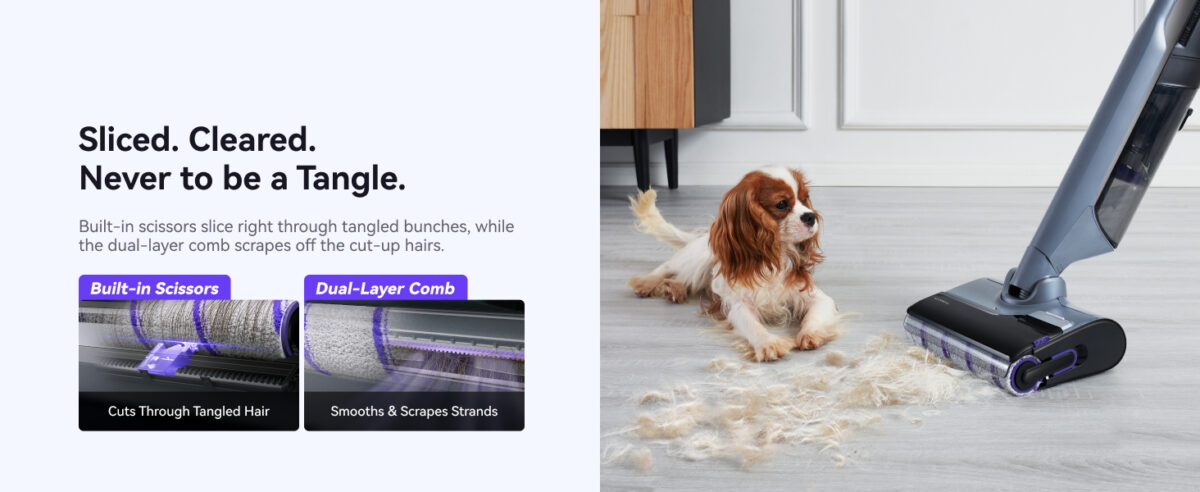
3. Cleaning Automation (High-Impact Upgrade)
If there is one category that consistently delivers immediate results, it is cleaning automation.
This is because it removes one of the most time-consuming tasks in any home.
Instead of manually cleaning, your system maintains your environment automatically.
This creates a significant improvement in both time efficiency and daily comfort.
Devices in this category are not just convenient — they fundamentally change how your home operates.
👉 Compare real cleaning systems here:
Robot Vacuum vs Cordless Vacuum (Real Comparison)
4. Smart Lighting (The Most Underrated Upgrade)
Smart lighting is often underestimated because it seems simple.
However, when properly automated, it becomes one of the most impactful elements of your system.
Lighting can be used to:
- Automate daily routines
- Improve energy efficiency
- Enhance comfort without manual control
Small automations, like lights turning on when you enter a room, eliminate repetitive actions that accumulate over time.
This is what defines a well-designed system — removing friction at every level.
Why This Framework Works
By focusing on these four categories, beginners avoid the most common smart home mistakes.
This approach ensures:
- Faster setup time
- Better compatibility between devices
- Lower initial investment
- Higher long-term usability
More importantly, it creates a system that can scale naturally without becoming unstable.
Instead of building complexity from the start, you build a strong foundation that supports future expansion.
What Happens If You Ignore This Structure
If you skip this framework, you will likely experience:
- Disconnected devices that don’t work together
- Over-reliance on manual control
- Frustration with inconsistent performance
- Abandoned automation features
This is why most smart home setups fail — not because of bad technology, but because of poor system design.
The goal is not to build a complex setup.
The goal is to build a system that works without constant attention.
Best Smart Home Devices for Beginners in 2026 (Real Devices That Actually Work)
Now that you understand the framework, it’s time to focus on the best smart home devices for beginners in 2026 that actually deliver real-world value.
Instead of listing dozens of products, this section focuses only on devices that consistently improve efficiency, automation, and usability.
These are not just popular gadgets — they are devices that integrate well, perform reliably, and create measurable improvements in your daily routine.
1. Smart Speaker (Your Core Control System)
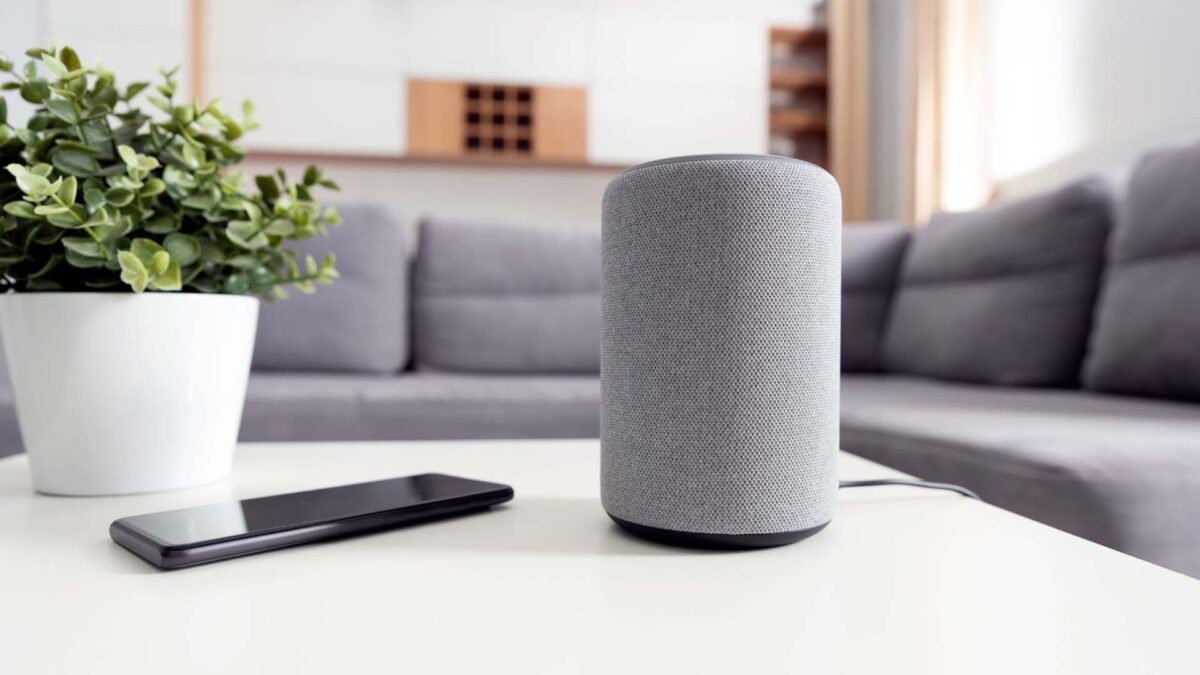
Every beginner smart home setup starts with a central control device.
A smart speaker acts as the brain of your system, allowing all other devices to communicate and work together.
Without this, your setup becomes fragmented and inefficient.
Why this is one of the best smart home devices for beginners in 2026:
- Centralizes control across all devices
- Enables automation routines
- Reduces reliance on multiple apps
- Provides voice and remote control
This is not optional — it is the foundation of a functional system.
👉 Learn how to build a full system around this:
Smart Home Setup 2026 Guide
2. Robot Vacuum (Automation That Saves Real Time)
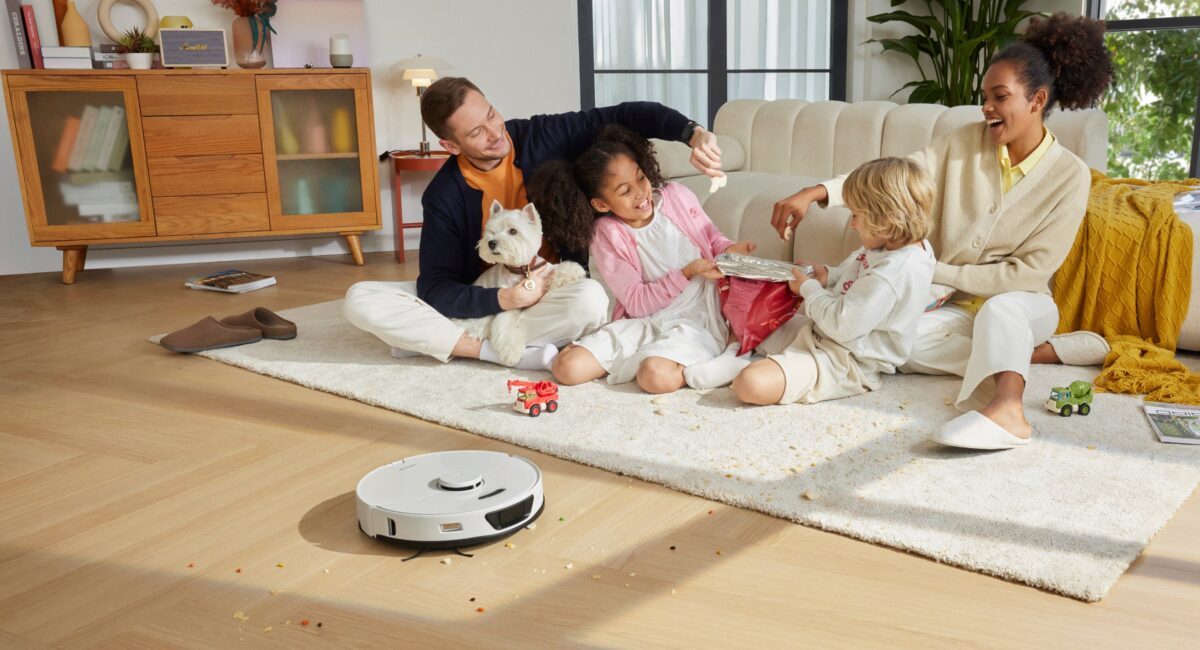
If there is one device that immediately demonstrates the value of a smart home, it is a robot vacuum.
This is one of the most practical examples of automation.
Instead of manually cleaning your floors, the system operates on a schedule, maintaining your home without daily effort.
Why this is one of the best smart home devices for beginners in 2026:
- Runs automatically without manual input
- Maintains consistent cleanliness
- Integrates with automation routines
- Reduces one of the most repetitive daily tasks
More advanced models can:
- Map your home
- Avoid obstacles
- Vacuum and mop simultaneously
👉 Compare different options here:
Robot Vacuum vs Cordless Vacuum
3. Smart Plugs (The Simplest Way to Automate Anything)
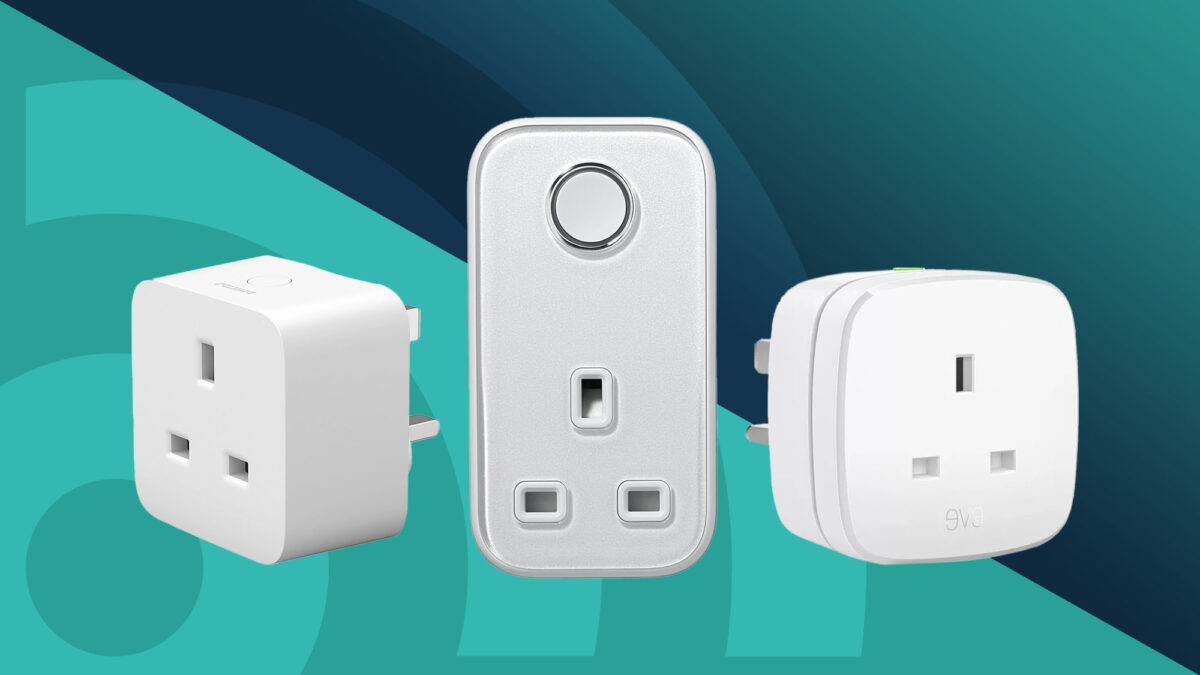
Smart plugs are often underestimated, but they are one of the most powerful tools for beginners.
They allow you to convert almost any traditional device into a smart device.
This makes them one of the most flexible components in any smart home system.
Why smart plugs are among the best smart home devices for beginners in 2026:
- Extremely easy to set up
- Low cost compared to other devices
- Works with existing appliances
- Enables basic automation instantly
Examples of real use:
- Automating coffee machines
- Scheduling lamps
- Controlling fans or heaters
This is often the first step into real automation.
4. Smart Lights (Daily Automation at Scale)
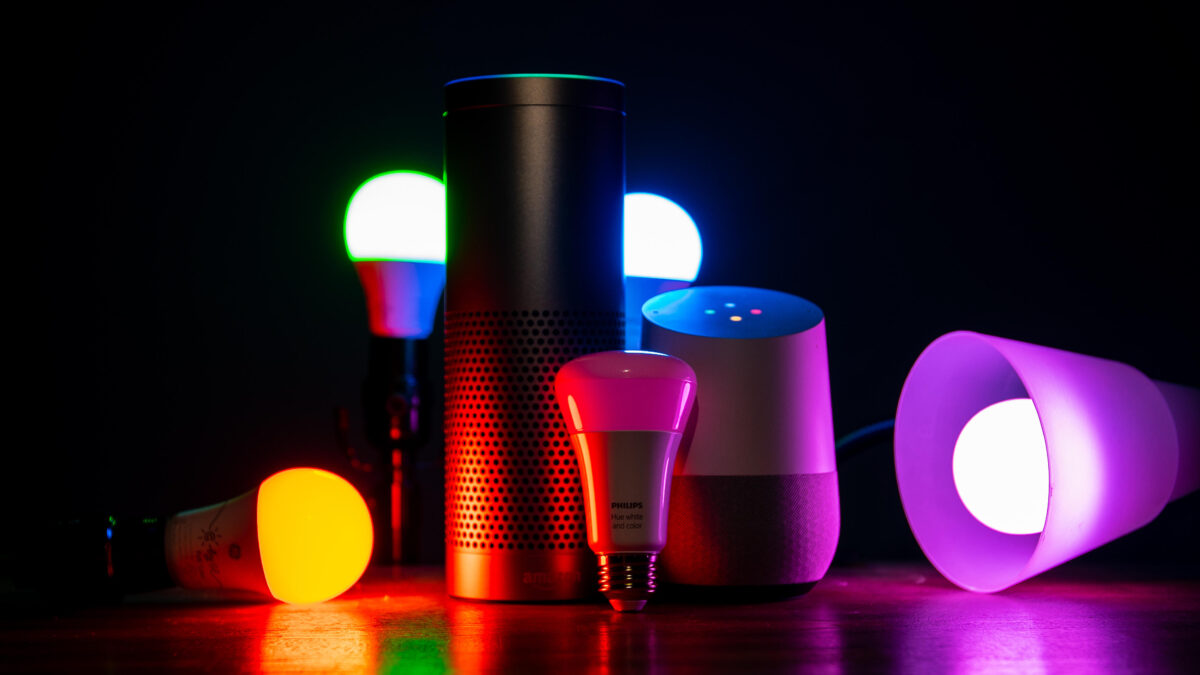
Lighting is one of the most used systems in any home.
Automating it creates immediate improvements in comfort and efficiency.
Smart lights are not just about turning lights on and off remotely.
They allow your home to respond automatically to time, presence, and routines.
Why this is one of the best smart home devices for beginners in 2026:
- Eliminates repetitive manual actions
- Improves energy efficiency
- Enhances daily comfort
- Integrates easily with automation systems
Common automation examples include:
- Lights turning on when entering a room
- Brightness adjusting based on time of day
- Lights turning off automatically when leaving
5. Smart Security Devices (Passive Protection)
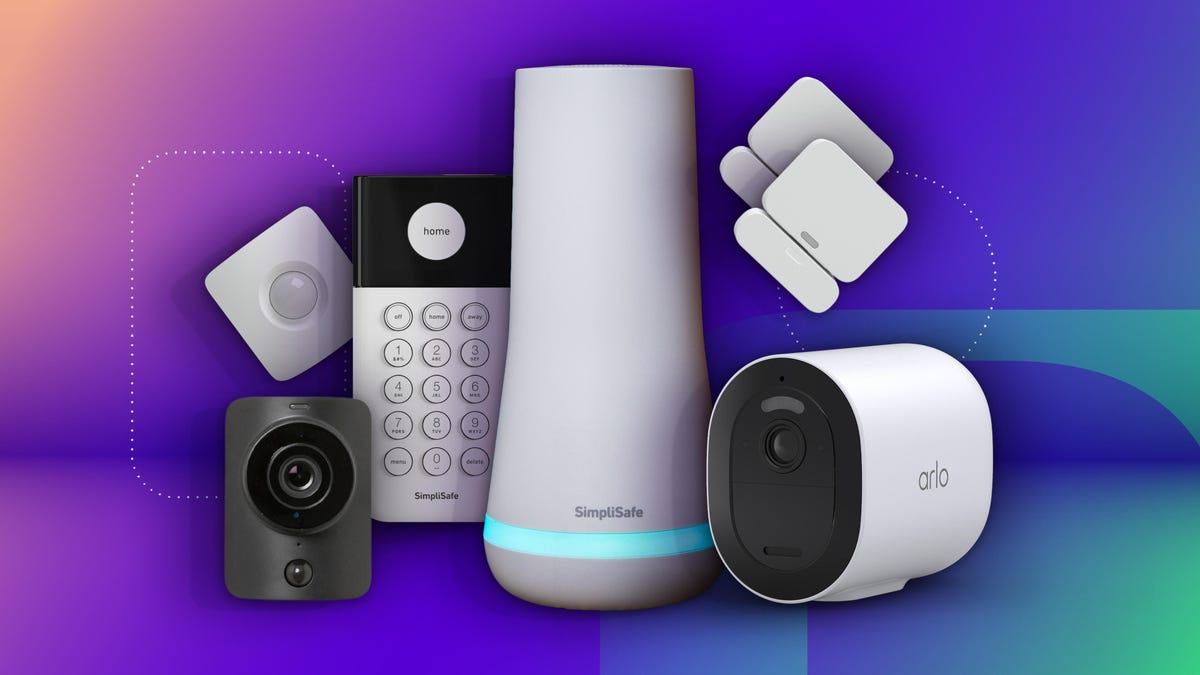
Security is one of the most important aspects of a smart home.
But more importantly, it should operate automatically.
Smart security devices remove the need to constantly check or manage your home’s safety.
Why this category is essential:
- Provides real-time monitoring
- Automates security routines
- Reduces human error
- Increases peace of mind
Examples include:
- Smart cameras
- Door sensors
- Smart locks
👉 Full security setup here:
Smart Home Security Setup 2026
How These Devices Work Together (Real System Example)
The real power of the best smart home devices for beginners in 2026 comes from integration.
Individually, these devices are useful.
But when combined into a system, they create a completely different experience.
Example:
- Lights turn on automatically in the morning
- Coffee machine activates via smart plug
- Robot vacuum runs when you leave home
- Security system activates automatically
This eliminates multiple daily decisions and manual actions.
This is what defines a real smart home.
Why These Are the Only Devices You Should Start With
Many guides overwhelm beginners with long lists of products.
This approach leads to confusion and poor decision-making.
The devices listed above represent the highest return on investment in terms of time, efficiency, and usability.
They allow you to build a functional system quickly, without unnecessary complexity.
Once your system is stable, you can expand gradually.
👉 Learn how to expand correctly:
How I Test Smart Home Gadgets
Best Smart Home Devices for Beginners in 2026: Real-World Performance, Reviews, and Daily Use
Choosing the best smart home devices for beginners in 2026 is not just about features — it’s about how these devices perform in real homes, with real routines.
Below you’ll find practical insights, typical user ratings, and how each device category is actually used day to day. This is where theory becomes a working system.
Real User Ratings (What People Actually Think)
Across major marketplaces like Amazon, the best smart home devices for beginners in 2026 tend to cluster in the 4.3★–4.7★ range when they deliver consistent automation and reliability.
- Smart Speakers: 4.6★ average — praised for reliability and ecosystem integration
- Robot Vacuums: 4.3★–4.6★ — valued for time-saving, criticized when mapping is poor
- Smart Plugs: 4.5★ — highly rated due to simplicity and low cost
- Smart Lights: 4.6★ — strong satisfaction when automation is configured properly
- Security Cameras / Locks: 4.3★–4.5★ — valued for peace of mind and alerts
The pattern is clear: devices that automate tasks reliably receive higher ratings than devices that require frequent manual interaction.
How to Use These Devices in Real Life (Daily Scenarios)
The best smart home devices for beginners in 2026 only become valuable when they are part of real routines. Below are practical setups you can replicate immediately.
Morning Automation Routine
- Smart lights turn on gradually at your wake-up time
- Smart plug activates your coffee machine
- Smart speaker provides weather + news briefing
This eliminates multiple small decisions at the start of your day.
Cleaning Automation Routine
- Robot vacuum runs automatically when you leave home
- Zones are cleaned based on schedule (kitchen daily, rooms every 2–3 days)
👉 For a deeper cleaning strategy, read:
Best Smart Home Cleaning Gadgets 2026
Security Automation Routine
- Doors lock automatically at night
- Cameras activate when no one is home
- Motion alerts send real-time notifications
👉 Full setup guide:
Smart Home Security Setup 2026
These are the types of systems that transform individual devices into a complete solution.
Recommended Device Types (Beginner Stack)
If your goal is to build the best smart home devices for beginners in 2026 setup, this is the simplest stack that works:
- 1 Smart Speaker (core system)
- 1 Robot Vacuum (automation)
- 2–4 Smart Lights (daily interaction)
- 2 Smart Plugs (flexible automation)
- 1 Basic Security Device (camera or sensor)
This setup covers automation, cleaning, control, and security without unnecessary complexity.
Pros and Cons of Smart Home Devices (Beginner Perspective)
- Significant time savings through automation
- Improved daily comfort and convenience
- Scalable system that grows over time
- Reduced mental load (fewer daily decisions)
Cons
- Initial setup requires planning
- Compatibility issues if ecosystem is not chosen correctly
- Overbuying can lead to complexity
- Some devices require Wi-Fi stability
Frequently Asked Questions.
What are the best smart home devices for beginners in 2026?
The best smart home devices for beginners in 2026 include smart speakers, robot vacuums, smart plugs, smart lights, and basic security devices. These provide the highest return in automation and usability.
How many devices should a beginner start with?
Ideally, 3–6 devices. Starting small ensures better integration and avoids unnecessary complexity.
Are smart home devices worth it?
Yes — but only if they automate tasks. Devices that require manual control offer limited value compared to automated systems.
What is the biggest mistake beginners make?
Buying too many devices too quickly without a structured system.
👉 Avoid that mistake here:
Smart Home Mistakes to Avoid
How to Maintain and Optimize Your Smart Home
Owning the best smart home devices for beginners in 2026 is only part of the process. Maintenance and optimization are what keep your system efficient.
- Update firmware regularly
- Review automation routines monthly
- Remove unused devices
- Keep your system simple
A clean, optimized system will always outperform a complex one.
Final Thoughts: Build a System, Not a Collection of Devices
The best smart home devices for beginners in 2026 are not the most expensive or the most advanced.
They are the ones that:
- Work together seamlessly
- Automate real tasks
- Reduce daily effort
If you follow the framework in this guide, you will avoid the most common mistakes and build a system that actually improves your life.
👉 Start here:
Smart Home Setup 2026
How to Choose the Best Smart Home Devices for Beginners in 2026 (Step-by-Step Buying Guide)
Choosing the best smart home devices for beginners in 2026 is not about picking the most advanced or expensive products.
The real goal is to select devices that integrate well, automate tasks, and improve your daily routine without adding complexity.
This section provides a simple decision framework that helps you choose the right devices from the start.
Step 1: Choose Your Ecosystem First
Before buying any device, you must decide which ecosystem your smart home will use.
This is one of the most important decisions because it determines compatibility across all devices.
The best smart home devices for beginners in 2026 work best when they are built around a single ecosystem.
- Alexa → Best for compatibility and ease of use
- Google Home → Balanced ecosystem with strong integration
- Apple HomeKit → Best for privacy and premium users
Mixing ecosystems is one of the main reasons setups fail.
👉 Learn how to structure your system correctly:
Smart Home Setup 2026
Step 2: Start With High-Impact Devices Only
Not all smart home devices deliver the same value.
The best smart home devices for beginners in 2026 are those that eliminate repetitive tasks immediately.
Focus on devices that:
- Automate daily actions
- Run without manual input
- Integrate easily with other devices
This is why categories like robot vacuums, smart plugs, and lighting are more important than niche gadgets.
Step 3: Avoid Low-Value Devices
Many beginners waste money on devices that look impressive but provide little real benefit.
These typically include:
- Devices that require constant manual control
- Products with poor integration
- Gadgets that solve no real problem
If a device does not save time or reduce effort, it should not be part of your system.
👉 Avoid these common mistakes:
Smart Home Mistakes to Avoid
Step 4: Build in Layers, Not All at Once
One of the biggest advantages of choosing the best smart home devices for beginners in 2026 is scalability.
You do not need everything at once.
A better approach is to build your system step by step:
- Start with a smart speaker
- Add 1–2 automation devices
- Expand based on real needs
This prevents complexity and ensures that every device adds value.
Step 5: Focus on Automation, Not Features
Many devices advertise advanced features, but features do not equal usefulness.
The best smart home devices for beginners in 2026 are not the ones with the most features — they are the ones that automate tasks reliably.
Ask yourself:
- Does this device reduce daily effort?
- Can it run automatically?
- Does it integrate with my system?
If the answer is no, it is not the right device.
Final Buying Strategy
If you follow this framework, you will naturally choose the best smart home devices for beginners in 2026 without wasting money or overcomplicating your setup.
The key is not to build a complex system.
The key is to build a system that works without effort.
👉 See how everything connects here:
AI Smart Home Devices 2026
Follow Us for More Smart Home Guides
Stay updated with the latest smart home devices, automation ideas, and real product reviews.
Medium |
Facebook |
Instagram |
Pinterest
We publish real, tested, and optimized smart home content designed to help you build systems that actually work.
🔥 Join 120,000+ Smart Shoppers!
Get exclusive gadget deals, viral Amazon finds and tech reviews before they trend. Only the best — straight to your inbox every week 🚀