LG vs Samsung Washer (2025): Which Brand Is Better for Your Laundry Room?
LG vs Samsung Washer (2025): Which Brand Is Better for Your Laundry Room?
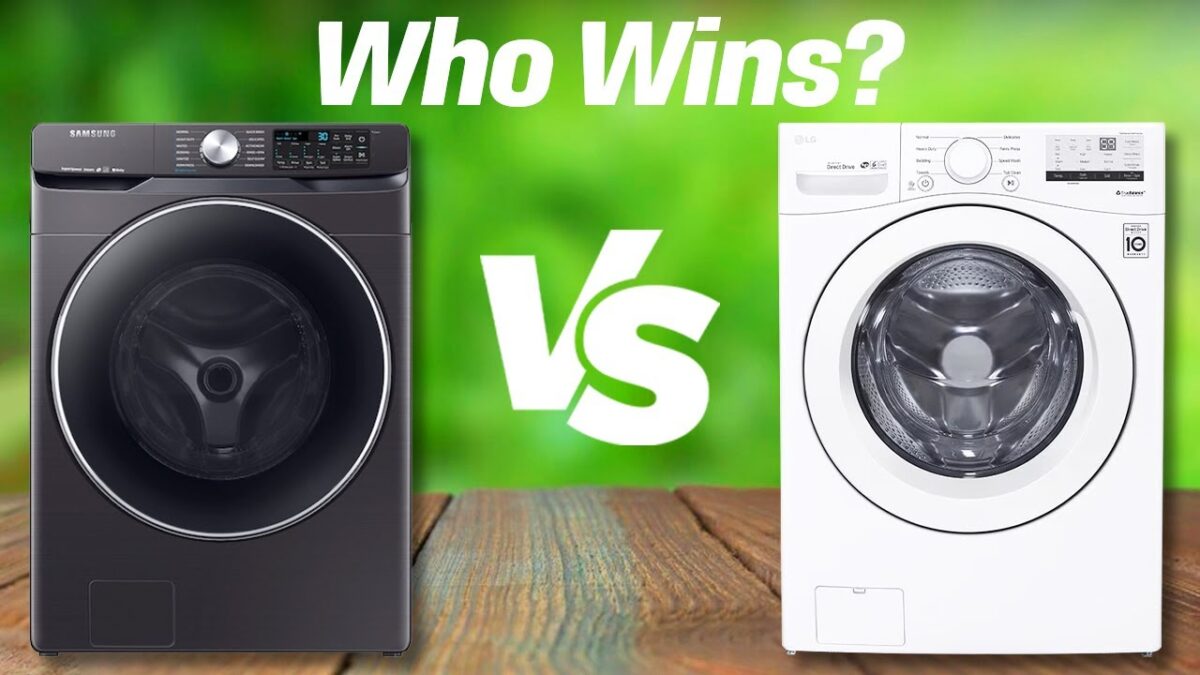
If you’re shopping for a new washing machine in 2025, chances are you’ve already narrowed it down to LG vs Samsung washer. Both brands dominate the premium washer market, both are packed with smart features and both have loyal fans who swear their brand is the best. So which one should you pick?
The short answer:
- LG washers usually win on reliability, cleaning performance and fabric care, and they’re repeatedly ranked among the most reliable washer brands by independent testing labs and long-term owner surveys.
- Samsung washers often win on design, AI features and flashy extras like large touch screens, Bespoke colours and ultra-fast “Super Speed” cycles.
But that doesn’t mean LG is always better than Samsung or vice versa. This LG vs Samsung washer guide breaks everything down: specs, features, reliability, real-world owner opinions, pros & cons and which brand fits different types of households.
LG vs Samsung Washer at a Glance (Quick Comparison)
LG vs Samsung washer: key differences in one table:
| Category | LG Washer | Samsung Washer |
|---|---|---|
| Overall reliability | Excellent; often rated most reliable in owner surveys and repair statistics | Very good; slightly behind LG in some reliability rankings, still top tier |
| Cleaning performance | Strong cleaning + gentle fabric care (AI DD, 6Motion) | Strong cleaning + very fast cycles (Super Speed, OptiWash) |
| Smart features | ThinQ app, AI DD 2.0, TurboWash 360°, steam care | SmartThings app, AI OptiWash, Auto Dispense, Bespoke AI |
| Capacity options | 4.5–5.0 cu. ft front load; large HE top-load models | 4.5–5.3 cu. ft front load; very large top-load options |
| Design & aesthetics | Clean, modern, slightly more understated | Bold designs, Bespoke colours, big touchscreens |
| Price positioning | Very competitive; often strong value for features | Similar pricing, sometimes slightly higher at launch |
| Best for… | Reliability, long-term value, fabric protection | Design, AI features, fast cycles and smart home fans |
Brand Overview: LG vs Samsung Washer Reputation
LG Washer Reputation
Independent testing labs and large retailers consistently rank LG washers among the top brands for reliability and owner satisfaction, across both front-load and high-efficiency top-load categories.
- LG has dominated multiple “Best Matching Washer & Dryer Set” lists, often winning front-load and HE top-load categories.
- LG has built a reputation for durable direct-drive motors and solid long-term performance.
In many LG vs Samsung washer debates online, you’ll see users saying things like: “If I want maximum reliability and cost efficiency, I lean LG.”
Samsung Washer Reputation
Samsung is also a top-tier washer brand and frequently appears in “most reliable washer” shortlists, especially in premium and smart categories.
- Samsung is known for innovative design and smart features (AI OptiWash, Auto Dispense, Super Speed Wash, Bespoke styling).
- Many buyers choose Samsung in the LG vs Samsung washer debate because they love the way Samsung appliances match their kitchen and smart home ecosystem.
Feature Breakdown: LG vs Samsung Washer (Front-Load Examples)
Example LG Front-Load Washer
Example model: LG 4.5 cu. ft Smart Front Load Washer with AI DD / TurboWash 360° (WM4000/WM5500 series; exact features vary by region).
Key LG tech highlights:
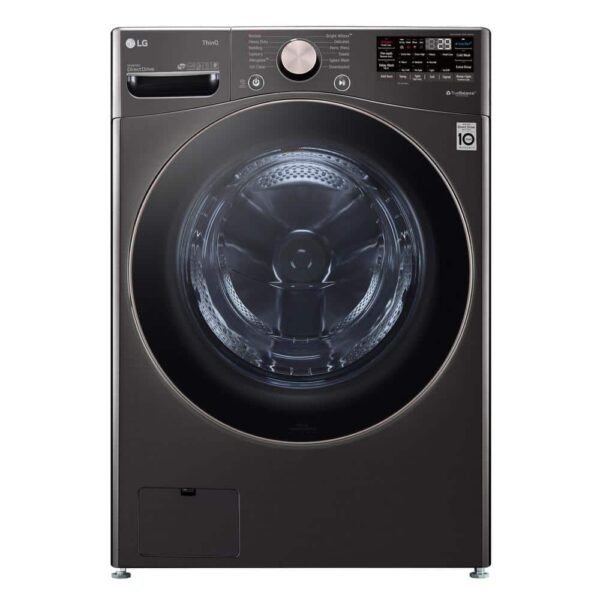
- AI DD™ (AI Direct Drive): Detects fabric type and load weight, then adjusts drum motion for better fabric care and cleaning.
- TurboWash™ 360°: High-pressure nozzles and optimized motion to wash a full load in roughly 30–39 minutes while maintaining cleaning performance.
- Steam cycles: Allergy and Sanitary cycles use steam to remove common allergens and bacteria, ideal for families with kids, pets and allergies.
- 6Motion™ / multiple drum motions: Different wash motions (tumbling, stepping, filtration, scrubbing) balance cleaning and fabric protection.
- ThinQ® smart app: Remote start, cycle notifications, downloadable cycles, energy tracking and integration with voice assistants.
In real life, LG front-load washers are excellent all-rounders: strong cleaning power, gentle on clothes, and quiet with good smart extras.
Example Samsung Front-Load Washer
Example model: Samsung 5.0–5.3 cu. ft Bespoke AI Front Load Washer with AI OptiWash & Auto Dispense (WF53/WF50 series; features vary by region).
Key Samsung tech highlights:
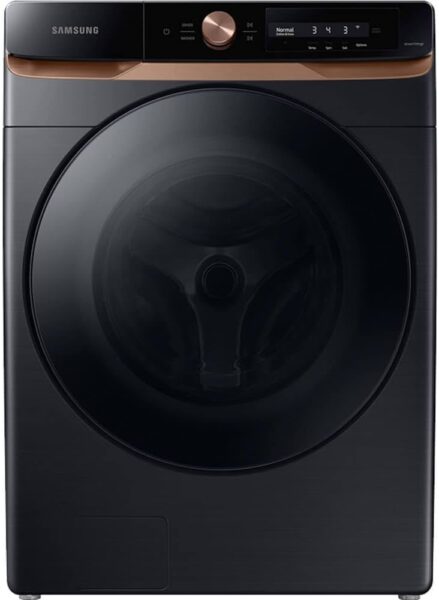
- AI OptiWash™: Uses sensors to detect soil level and load size, then automatically adjusts wash time and intensity.
- Auto Dispense / Flex Auto Dispense: Built-in detergent & softener tanks automatically dose the right amount for each load.
- Super Speed Wash: Full load washed in as little as ~28 minutes with compatible cycles.
- AI Smart Dial / large touchscreens: Learns your most-used cycles and makes choosing settings easier.
- SmartThings integration: Remote control, notifications, maintenance tips and smart home connectivity.
In everyday use, Samsung washers feel very high-tech and convenient, especially if you want fast cycles and minimal manual settings.
Specifications Box: LG vs Samsung Washer (Typical Front-Load Models)
Note: Specs vary by model and region; these are typical current front-load examples to help your LG vs Samsung washer comparison.
| Spec / Feature | LG Front-Load (Example) | Samsung Front-Load (Example) |
|---|---|---|
| Capacity | 4.5–5.0 cu. ft | 4.5–5.3 cu. ft (Bespoke Ultra Capacity) |
| Spin speed | Up to ~1,300–1,400 RPM | Up to ~1,200–1,300 RPM |
| Wash speed | TurboWash 360° (full load ~30–39 min) | Super Speed Wash (full load ~28 min) |
| Smart features | ThinQ app, AI DD, remote start, diagnostics | SmartThings, AI OptiWash, Smart Dial, Auto Dispense |
| Steam cycles | Yes (Allergy, Sanitary, Steam Refresh) | Yes on many models (sanitize / steam wash) |
| Noise & vibration | Inverter Direct Drive, low vibration | Vibration Reduction Technology+ |
| Typical price range | Mid–upper mid-range, strong promos at big retailers | Similar or slightly higher at launch, often discounted |
Reliability & Repair: LG vs Samsung Washer in the Real World
Reliability Data
When you compare LG vs Samsung washer reliability, most long-term data shows:
- LG is often rated the most reliable brand for both front-load and HE top-load washers in multi-year surveys.
- Samsung also scores well, with service rates close to LG and generally better than many other brands.
One major appliance retailer notes that the difference in reliability between LG vs Samsung washer models is small enough that both are considered safe bets if properly installed and used.
Real Owner Opinions
In online forums and review sections, common themes include:
- LG owners often talk about quiet operation, strong cleaning and fewer long-term issues.
- Samsung owners love the look, the smart features and the speed, though a few mention that AI wash modes can be too aggressive for very delicate items unless you choose gentler cycles.
Overall, both brands have good reputations; in the LG vs Samsung washer battle, LG has a slight edge on reliability, while Samsung leans harder into design and smart features.
Pros and Cons: LG vs Samsung Washer
LG Washer – Pros
- Top-tier reliability record in independent surveys.
- Excellent cleaning performance with gentle fabric care thanks to AI DD and multi-motion drum technology.
- Strong steam and allergen cycles, ideal for allergy sufferers and households with pets.
- TurboWash 360° gives faster cycles without a big drop in cleaning quality.
- ThinQ smart features are useful but not required, so the washer is simple even for non-technical users.
- Often great value in washer–dryer bundles and big retailer promotions.
LG Washer – Cons
- ThinQ app can be glitchy or confusing for some users.
- Designs are modern but sometimes less flashy than Samsung Bespoke options.
- High-end models and combo units can still be relatively expensive.
Samsung Washer – Pros
- Very strong cleaning performance with ultra-fast cycles like Super Speed Wash.
- Best-in-class design and aesthetics: Bespoke finishes, big touchscreens, minimalist fronts.
- Convenient AI OptiWash and Smart Dial for “set it and forget it” washing.
- Auto Dispense systems save time and ensure consistent detergent dosing.
- Tight integration with the broader SmartThings ecosystem (phones, TVs, smart home).
Samsung Washer – Cons
- AI OptiWash can be a bit aggressive for very delicate fabrics if you don’t pick a gentler cycle.
- Perceived as slightly less reliable than LG, though still in the upper tier.
- Heavy focus on smart features means you may pay for functions you don’t fully use if you’re not into smart homes.
Price & Value: Which Brand Gives You More for the Money?
In the LG vs Samsung washer price battle, both brands play in similar mid-to-premium ranges:
- Matching front-load washer + dryer sets often range from $1,600–$2,500, depending on size and features.
- Entry smart front-load models from each brand can drop under $900–$1,000 during sales.
Where LG may offer more value:
- Slight reliability edge gives better odds your washer lasts longer with fewer repairs.
- Great balance of cleaning power, steam features and price, especially during promos.
Where Samsung may offer more value:
- You get premium design and AI features at similar price points.
- Super Speed cycles and Auto Dispense can genuinely save time and detergent for busy families.
Real-World User Experience: LG vs Samsung Washer
LG User Experience
- Controls are generally straightforward: dial + buttons + compact display.
- The ThinQ app adds extras (remote start, notifications) but the washer is easy to use without it.
- Many owners praise how quiet LG front-loads are thanks to Direct Drive motors.
- In LG vs Samsung washer discussions, LG often feels like a classic reliable appliance with smart features layered on top.
Samsung User Experience
- Samsung washers, especially Bespoke AI models, feel like premium smart gadgets with large touchscreens and AI dials.
- AI OptiWash and Auto Dispense dramatically reduce the number of decisions you have to make for everyday laundry.
- Deep SmartThings integration fits perfectly if you already use Samsung phones, TVs or smart home devices.
Which Should You Buy? LG vs Samsung Washer by Use Case
Choose LG if…
- Reliability is your #1 priority. You want a washer with a strong long-term track record.
- You care about fabric care (kids’ clothes, workwear, delicates) and want AI DD and multi-motion washing to protect fabrics.
- You need powerful steam/allergen modes to help with dust mites, pet dander and allergies.
- You like smart features but don’t need giant screens or ultra-flashy designs.
Choose Samsung if…
- You love design and smart tech – you want your washer to look as premium as your phone and TV.
- You want Super Speed cycles and AI automation to save time on laundry day.
- You’re already invested in the Samsung ecosystem and use SmartThings a lot.
- You value having a machine that feels high-tech and customizable with Bespoke colors and interfaces.
FAQ: LG vs Samsung Washer
1. Which is more reliable, LG or Samsung washer?
Most data suggests LG washers have a slight edge in reliability, but Samsung washers are also near the top. Both are considered good choices; LG vs Samsung washer reliability differences are usually only a few percentage points in service rates.
2. Which cleans better, LG vs Samsung washer?
Both LG and Samsung washers clean very well. LG focuses more on fabric care and motion patterns, while Samsung focuses more on AI adjustment and speed. Performance is similar overall, so your decision should lean on reliability, features and design.
3. Are LG vs Samsung washer models good for allergy sufferers?
Yes. Both brands offer steam and sanitize cycles. LG is especially known for strong allergen-reduction cycles that help reduce dust mites and pet dander in bedding and clothing.
4. Does AI OptiWash or AI DD really matter?
These features are helpful but not mandatory:
- AI DD (LG) focuses on protecting fabric and improving wash quality by adjusting drum motion.
- AI OptiWash (Samsung) focuses on adjusting duration and intensity for soil level and load size.
Both can make laundry easier, as long as you still choose gentler cycles when you need them.
5. Which brand is better for top-load washers?
In the LG vs Samsung washer top-load category:
- LG has strong HE top-loaders with good reliability and simple controls.
- Samsung offers larger capacities and more flashy features (Active WaterJet, deep-fill options, Super Speed) in top-load designs.
Installation, Space & Hookups: What to Know Before You Buy
Before you decide between an LG vs Samsung washer, it helps to think about the boring stuff that actually matters on delivery day: space, hookups and installation. A lot of frustration with any washer (not just LG vs Samsung washer models) comes from simple things that were overlooked before ordering.
Measure Your Space (Twice)
- Width: Most modern LG and Samsung front-load washers are around 27″ wide, but doors and trim can add a bit. Always measure the tightest point of your doorway or hallway.
- Depth: Depth includes the door and hoses. Check that you can fully open the washer door without hitting walls or cabinets.
- Height: If you plan to stack an LG or Samsung dryer on top, make sure your ceiling height or cabinet clearance allows for both units plus a stacking kit.
Stacked vs Side-by-Side
- Stacked: Great for small laundry closets. Both LG and Samsung sell compatible stacking kits for many front-load washer/dryer pairs.
- Side-by-side: More ergonomic if you use pedestals with storage drawers (both brands offer them). This raises the drum opening higher, so you bend less.
Water & Electrical Requirements
- Electrical: Most LG vs Samsung washer models use a standard 120V outlet. Dryers (especially electric models) need a 240V outlet.
- Water: Check hot and cold valves are close enough for the included hoses and in good condition. Replace old, brittle hoses with braided stainless if needed.
- Drain: Make sure the standpipe or sink drain is at the correct height recommended in the manual to avoid backflow or siphoning issues.
Delivery & Door Swing
- Decide if you want your LG vs Samsung washer door to swing left or right relative to the dryer. Some models have reversible doors (more common on dryers than washers).
- Measure stairways, narrow halls and sharp turns that the delivery crew will need to navigate. Sometimes the limiting factor isn’t the laundry nook, but the path to it.
Energy & Water Efficiency: Operating Costs Over Time
Even when two models look similar on paper, energy and water use can make one LG vs Samsung washer a better long-term value than the other.
Energy Star and Efficiency Ratings
Most mid-to-high-end LG and Samsung front-load washers are ENERGY STAR® certified, but some go above and beyond:
- Front-load efficiency: Front-load designs from both brands generally use less water and electricity than traditional agitator top-loads.
- Eco cycles: Many LG vs Samsung washer models include “Eco” or “Cold Wash” cycles that deliver decent cleaning with cooler water and lower energy draw.
- Spin speed: Faster spin speeds (1,200–1,400 RPM) mean less time and energy spent in the dryer.
Water Usage
When comparing LG vs Samsung washer models, check the estimated gallons per cycle and annual water use in the product specs or EnergyGuide label.
- LG: Focuses on carefully controlled water levels and spray patterns to avoid waste while still soaking clothes properly.
- Samsung: Uses load sensors and AI features like OptiWash to tailor water use to the actual size and soil level of each load.
Lifetime Cost vs Sticker Price
A slightly more expensive, more efficient washer can save money over time:
- If an LG vs Samsung washer uses less hot water and spins more moisture out, you pay less to heat water and run your dryer.
- For households that run multiple loads per week, small efficiency differences can add up over 8–10 years of ownership.
Noise & Vibration: Which Is Quieter in Real Homes?
On paper, both LG vs Samsung washer options claim low noise and advanced vibration control. In practice, a few details can make one machine feel quieter than another in your specific home.
LG Noise & Vibration
- LG’s Direct Drive motor attaches directly to the drum, reducing moving parts and potential vibration points.
- Many LG front-loads include features like TrueBalance or similar vibration control systems that automatically adjust when loads are uneven.
- In a typical closet or small laundry room, owners often describe LG as a “low hum” during wash and a slightly louder whir during spin.
Samsung Noise & Vibration
- Samsung uses Vibration Reduction Technology (VRT or VRT+) to keep spinning smooth even at high RPM.
- Bespoke and premium Samsung models often include extra insulation and balance systems to keep noise down.
- Users with an LG vs Samsung washer side by side often say noise is comparable, but floor type matters a lot.
How to Get the Quietest Experience (Both Brands)
- Professional leveling: Make sure your washer is perfectly level and all feet are firmly on the floor.
- Solid flooring: Concrete basements usually vibrate less than suspended wood floors. On wood, consider anti-vibration pads or a platform designed for washers.
- Balanced loads: Mix large and small items; avoid washing a single heavy item (like one big blanket) by itself.
Maintenance & Longevity: Keeping Your LG or Samsung Washer Happy
One big reason people care about LG vs Samsung washer reliability is that a little maintenance can keep either brand running well beyond its warranty.
Monthly Routine (Both LG and Samsung)
- Clean the door gasket: Wipe the rubber seal with a cloth and mild cleaner to remove lint, hair and detergent residue.
- Run a tub clean cycle: Most LG vs Samsung washer models have a dedicated tub clean cycle. Use it monthly with an approved cleaner to reduce odor and buildup.
- Check detergent drawer: Pull out the drawer and rinse away detergent sludge so water can flow freely.
Every 3–6 Months
- Inspect hoses: Look for bulges, cracks or leaks around the hot and cold water hoses.
- Clean the drain pump filter: Many front-load washers (both LG and Samsung) have a small access door for a drain filter. Clearing coins, hairpins and lint here can prevent error codes and drainage problems.
- Check for level: Re-check that the washer hasn’t shifted or gone out of level due to vibration over time.
Brand-Specific Tips
- LG ThinQ owners: Use the app’s Smart Diagnosis or maintenance alerts to catch small issues early.
- Samsung SmartThings owners: Pay attention to cycle reports and suggested maintenance notifications; they can flag unusual patterns or errors.
A little maintenance doesn’t change the basic reliability story of LG vs Samsung washer brands, but it can help your individual machine last longer and run more quietly.
Top-Load vs Front-Load: LG vs Samsung Washer in Different Formats
Most comparisons focus on front-load models, but both brands also make popular top-load washers. Depending on your home and habits, that could change your LG vs Samsung washer decision.
Front-Load Strengths (Both Brands)
- Generally more efficient in water and energy use.
- Better for stacking and tight laundry closets.
- Often gentler on clothes, especially when combined with steam and advanced drum motion.
Top-Load Strengths (Both Brands)
- Easier to reach into the drum if you have mobility issues and don’t want to bend down.
- Some users simply prefer the feel of a top-load design they grew up with.
- Both LG and Samsung offer large-capacity high-efficiency top-loaders that can handle bulky items like comforters.
LG vs Samsung Washer: Top-Load Differences
- LG top-load: Focuses on smooth direct-drive motors, good efficiency and straightforward control layouts.
- Samsung top-load: Often includes features like built-in water jets, deep-fill options and active water sprays for heavily soiled items.
If you’re on the fence between front-load and top-load, ask which matters more: saving space and water (front-load) or standing upright and using a familiar layout (top-load). Both LG vs Samsung washer lineups have strong choices in each style.
Buying Checklist: How to Choose Your LG or Samsung Washer in 10 Minutes
To wrap up the LG vs Samsung washer debate in a practical way, here’s a simple checklist you can literally run through while browsing models online or in-store:
- Style: Do you want front-load or top-load? (Space, comfort and efficiency all factor in.)
- Size: Measure your space and pick a capacity (4.5 cu. ft+, 5.0 cu. ft+ for large households).
- Priority: Is your priority reliability, design, speed, or advanced smart features?
- Brand lean: If you lean reliability and classic performance, start with LG. If you lean cutting-edge smart design, start with Samsung.
- Must-have features: Make a short list—steam, sanitize, Auto Dispense, TurboWash/Super Speed, app control.
- Noise tolerance: If your laundry area is near bedrooms or living spaces, give extra weight to vibration control and quiet modes.
- Energy efficiency: Compare EnergyGuide labels and look for ENERGY STAR certification on each LG vs Samsung washer you’re considering.
- Warranty & service: Check the warranty length on motor and drum (often 10 years) and see which brand has better service coverage in your local area.
- Bundle value: If you need a dryer too, compare total washer + dryer bundle prices and features, not just individual units.
- Final gut check: After all the specs, which washer are you most likely to enjoy using every week? The best LG vs Samsung washer is the one that fits your home, your habits and your budget.
Use this checklist as a quick decision tool, and you’ll turn the LG vs Samsung washer comparison from something overwhelming into a clear, confident choice.
Final Verdict: LG vs Samsung Washer – Which One Should You Pick?
When you zoom out from specs and marketing, the LG vs Samsung washer battle comes down to your priorities:
- Pick LG if you want slightly better reliability, excellent fabric care, powerful steam/allergen options and strong all-around value.
- Pick Samsung if you want cutting-edge design, Bespoke styling, AI OptiWash, Auto Dispense, Super Speed cycles and deep smart-home integration.
The good news? In 2025, there’s really no wrong answer in the LG vs Samsung washer debate. Both brands make excellent machines. If you match the brand to your lifestyle — reliability-first for LG, smart-design-first for Samsung — you’ll end up with a washer you actually enjoy using instead of just tolerating on laundry day.
Disclosure: As an Amazon Associate, I earn from qualifying purchases. Some links in this article are affiliate links, which means I may earn a small commission if you buy through them, at no extra cost to you.
YOU MIGHT LIKE TO READ!
Narwal S30 Pro Wet Dry Vacuum Review (2025)
🔥 Join 120,000+ Smart Shoppers!
Get exclusive gadget deals, viral Amazon finds and tech reviews before they trend. Only the best — straight to your inbox every week 🚀