Are We Reaching Peak Smartphone? The Upgrade Era Might Be Over
The Rise of Peak Smartphone and Why It Changes Everything
Peak smartphone might sound dramatic, but the data, consumer behavior, and tech culture all point in the same direction. For the first time in over a decade, upgrading your phone no longer feels urgent. It no longer feels revolutionary. It barely feels necessary.
The concept of peak smartphone suggests that we have reached a technological plateau where innovation is incremental rather than transformative. Cameras are slightly better. Chips are slightly faster. Screens are slightly brighter. But the life-changing leaps we experienced between 2010 and 2020? They’re gone.
There was a time when every new device felt like stepping into the future. The jump from physical keyboards to full touchscreen. From 3G to LTE. From blurry photos to cinematic-quality cameras. Those were generational shifts. Today, however, annual launches feel predictable. Polished, yes. Revolutionary? Not quite.
This is the heart of the peak smartphone conversation. Consumers are beginning to sense it. That subtle disappointment. That hesitation before clicking “upgrade.” That thought: “Do I really need this?”
And when millions of people start asking that question at the same time, markets shift.
The upgrade cycle has stretched. What used to be every 18–24 months is now often 3–4 years. In some cases, even longer. Devices last longer. Batteries hold better. Software updates extend usability. The urgency is fading.
This doesn’t mean smartphones are declining. It means they’ve matured.
And maturity in technology usually signals something profound: stabilization.
We saw it with laptops. We saw it with TVs. We saw it with cars. Once innovation reaches a certain threshold, it becomes refinement rather than reinvention. That is exactly what peak smartphone represents.
Why Upgrades No Longer Feel Exciting
Part of the emotional shift behind peak smartphone is psychological. For years, tech marketing trained us to crave the next model. Better camera. More megapixels. Faster processor. New design.
But here’s the uncomfortable truth: most people use only 30–40% of their phone’s capabilities.
Social media. Messaging. Streaming. Maps. Banking apps. Email. That’s the core behavior. And phones from three years ago already do all of that flawlessly.
When performance exceeds practical needs, innovation loses emotional impact.
That’s what makes peak smartphone such a powerful cultural moment. It’s not about hardware limitations. It’s about user saturation.
The smartphone solved our problems so well that improvements now feel cosmetic.
In many ways, this connects to our earlier discussion about AI and critical thinking. Technology used to feel like expansion. Now it feels like optimization. Subtle. Invisible. Background.
And that subtlety doesn’t generate hype.
Consumers are smarter now. They compare specs. They watch reviews. They realize the camera differences are visible only in extreme lighting. The battery gains are measured in minutes, not hours.
The illusion of exponential progress is cracking.
That doesn’t mean brands aren’t trying. Marketing narratives are shifting toward ecosystem lock-in, subscription bundles, and AI integrations. Because if hardware can’t excite, software must.
But even that is starting to feel familiar.
We’ve reached a point where phones are no longer aspirational objects. They’re utilities.
And utility rarely goes viral.
The Economic Signal Behind Peak Smartphone
There’s another layer to peak smartphone: economics.
Flagship devices now cost as much as mid-range laptops. In an era of subscription fatigue and digital overload, consumers are becoming more selective about where their money goes.
Spending $1,200 for a marginal upgrade feels harder to justify.
Especially when inflation pressures everyday budgets and digital life already feels overwhelming.
The modern consumer is no longer chasing novelty at any cost.
They’re calculating value.
And when value perception drops, even slightly, entire industries shift strategy.
That’s why the peak smartphone debate isn’t just about gadgets. It’s about behavioral evolution.
It signals that we may be entering a post-hype era of personal technology.
An era where innovation must be meaningful, not incremental.
The Innovation Plateau: What Peak Smartphone Really Means
If we are truly approaching peak smartphone, it doesn’t mean innovation is dead. It means innovation has become incremental instead of transformative. In the early 2010s, every new device felt like a leap. Larger screens, app ecosystems, biometric security, cloud integration — everything was new. Today, improvements feel measured in percentages, not revolutions.
Cameras get slightly sharper. Batteries last a little longer. Processors benchmark higher. But emotionally? The experience feels familiar. That’s the psychological core of peak smartphone: we are no longer surprised.
Compare this with how we once reacted to the first iPhone generations or early Android breakthroughs. Now, launch events feel predictable. Even the leaks reveal everything months in advance. Anticipation has been replaced by confirmation.
Why Upgrades Feel Smaller — Even When They Aren’t
Manufacturers argue that innovation is happening under the hood: AI-powered image processing, machine learning chips, improved efficiency cores. And that’s true. But most users don’t feel those improvements in daily life.
When people start asking, “Do I really need to upgrade?” instead of “When can I upgrade?”, that’s when peak smartphone becomes visible.
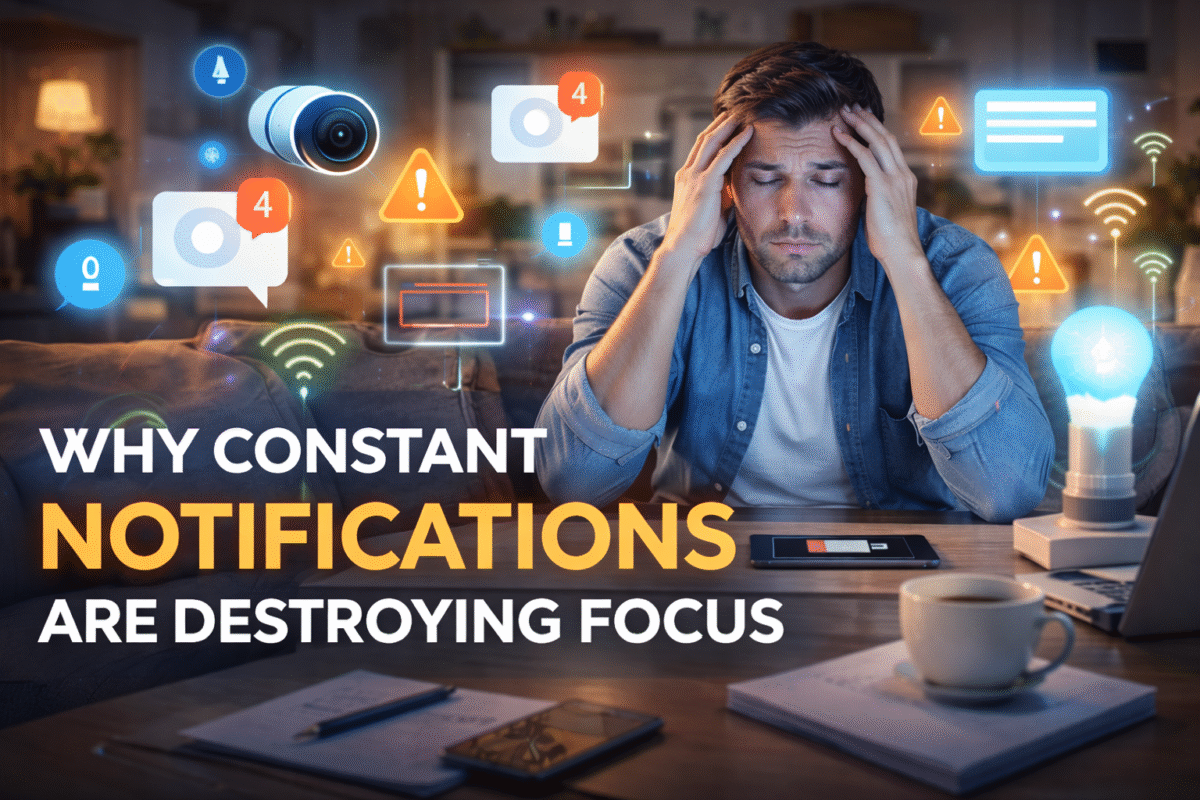
This shift mirrors something we explored in
AI and Critical Thinking — technology evolves faster than our ability to emotionally process its value. Once tech becomes invisible, it stops feeling exciting.
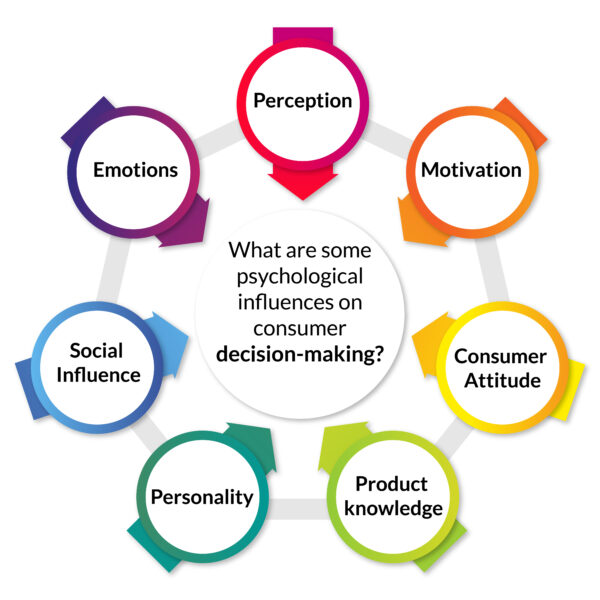
Consumer Psychology in the Era of Peak Smartphone
There’s another layer here: saturation. Most people already own powerful devices that exceed their daily needs. Social media, streaming, banking, navigation — everything runs smoothly on phones that are two or three years old.
In previous tech cycles, hardware limitations forced upgrades. Today, phones last longer. Software support extends to five or more years. Durability has improved. Ironically, better engineering contributes directly to peak smartphone.
This also connects with our broader exploration of digital behavior on
MadeMeBuyItNow, where we analyze how consumer desire evolves in a hyper-connected world.
The question is no longer “What’s new?” but “Is it different enough?” And increasingly, the answer feels like no.
Are Foldables the Escape From Peak Smartphone?
Foldable devices were introduced as the next breakthrough. Flexible screens. Multi-tasking formats. Hybrid phone-tablet experiences. But even foldables are slowly entering the normalization phase.
They are impressive — but are they essential? That’s the real test.
If peak smartphone is defined by emotional plateau rather than technical stagnation, then even bold hardware experiments may not fully reset consumer excitement.
📲 Follow Us on Social Media
Stay updated with our latest tech insights, consumer psychology breakdowns, and viral analysis:
What Happens After Peak Smartphone?
History shows that every technology eventually matures. Cars reached peak mechanical innovation decades ago, and now progress focuses on software and sustainability. TVs reached peak resolution, and innovation shifted toward smart ecosystems.
The smartphone may be entering that same phase. If peak smartphone is real, then the next frontier might not be hardware at all — but integration.
Wearables. AR glasses. Ambient computing. Voice-first interfaces. AI copilots embedded across devices.
Instead of upgrading a single device, we may upgrade ecosystems.
And that shift could redefine how we measure innovation entirely.
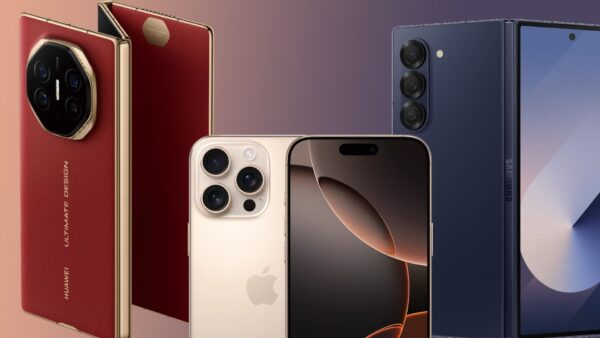
Apple vs Samsung vs Huawei: Are They Fighting Against Peak Smartphone?
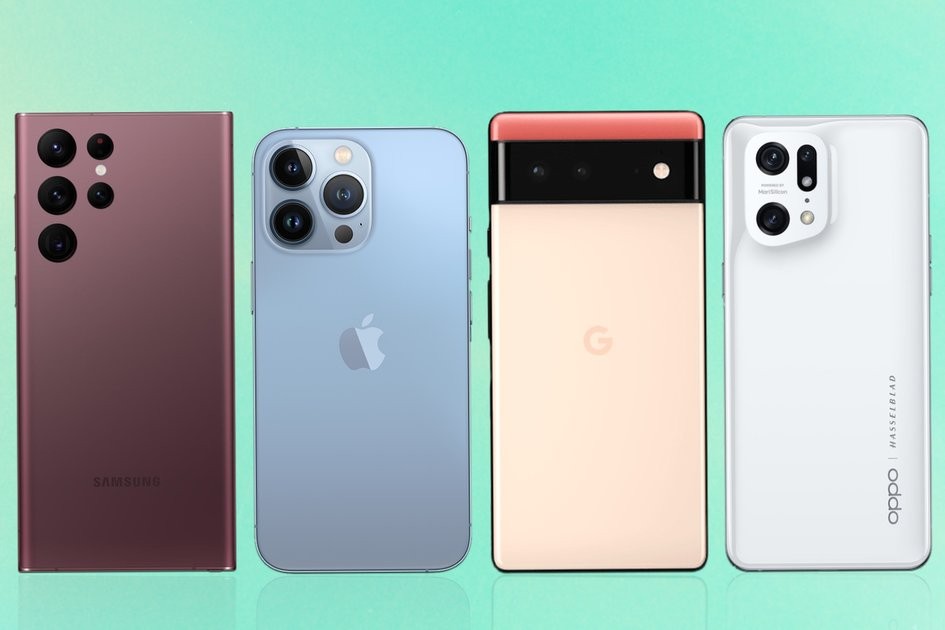
To truly understand whether we are reaching peak smartphone, we need to analyze what the biggest players in the industry are actually offering today. Because if innovation is still explosive, we should see dramatic differences between flagship devices. But if improvements are mostly incremental, that strengthens the peak smartphone theory.
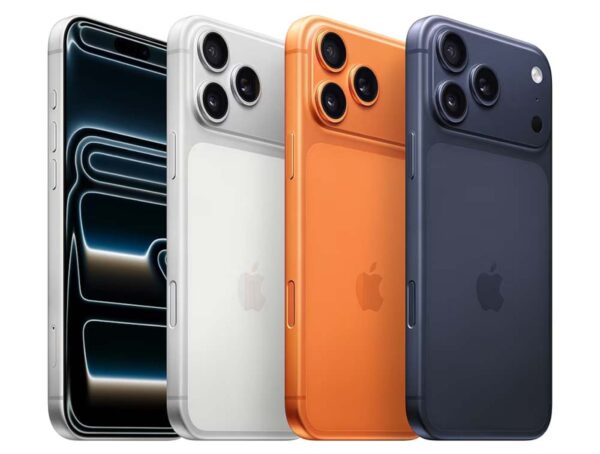
Let’s start with Apple. The latest iPhone generation focuses heavily on ecosystem integration, AI-enhanced photography, and performance efficiency rather than radical hardware redesign. The chipsets are undeniably powerful, arguably overpowered for everyday use. The cameras are excellent. The display is refined. But compared to models from two or even three years ago, the experience feels evolutionary rather than revolutionary.
Even when analyzing Apple’s strategy deeper — something we explored in our
iPhone 17 Ecosystem Review — the innovation narrative centers more around ecosystem lock-in than device transformation. That’s not necessarily negative. It’s just different. And it aligns strongly with the idea of peak smartphone.
Samsung’s Strategy: Refinement and AI Integration
Samsung’s Galaxy line tells a similar story. With each Ultra model, we see marginal camera sensor upgrades, brightness improvements, stronger processors, and AI-driven software features. The design language has stabilized. The form factor feels mature. Performance is exceptional — but again, most users won’t feel a massive difference from last year’s flagship.
Looking ahead, rumors surrounding the next Galaxy generation — which we covered in
Samsung Galaxy S26 Release Date & Leaks — suggest better AI capabilities, battery optimization, and potential camera sensor changes. Yet even leaks don’t indicate a paradigm shift. They suggest refinement.
This is the signature symptom of peak smartphone: companies are optimizing mature technology instead of reinventing it.
Huawei and the Innovation Curve
Huawei, despite geopolitical challenges, has experimented more aggressively with camera hardware and foldable designs. Some of its latest devices showcase impressive engineering — especially in photography systems and periscope zoom capabilities.
However, even Huawei’s boldest devices face the same structural limitation: the smartphone form factor itself may be reaching saturation. Screens can only get so bright. Chips can only get so fast before performance exceeds human necessity. Cameras can only get so sharp before differences become imperceptible in social media compression.
And when performance surpasses user needs, peak smartphone becomes less about what manufacturers can build — and more about what consumers actually require.
The Foldable Question: A Real Breakthrough or a Temporary Reset?
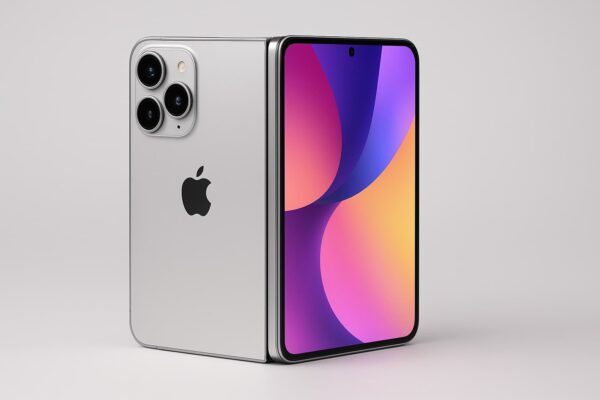
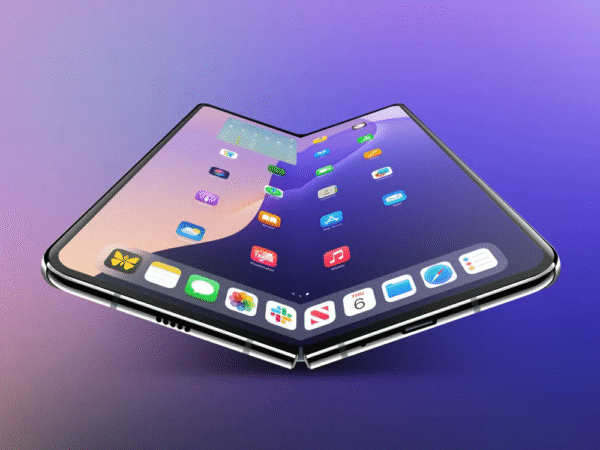
Many analysts argue that foldable devices are the industry’s attempt to break out of peak smartphone stagnation. Samsung’s Fold and Flip lines introduced flexible screens to the mainstream. Huawei followed. Even Apple is rumored to be testing a foldable iPhone.
If Apple releases a foldable model, it could temporarily disrupt the market. But here’s the deeper question: will it change how people use their devices in daily life? Or will it simply offer a different shape for the same apps and behaviors?
Historically, true innovation reshapes behavior. The original iPhone replaced keyboards. App stores created new economies. Mobile internet changed communication. For foldables to defeat peak smartphone, they would need to create entirely new digital habits — not just new hinge mechanisms.
So far, foldables feel like premium alternatives rather than cultural revolutions.
When Hardware Peaks, Software Takes Over
Another powerful argument supporting the peak smartphone theory is the shift from hardware marketing to software marketing. Today, keynote events emphasize AI features, computational photography, machine learning personalization, and ecosystem intelligence.
That shift mirrors broader digital behavior trends — including how platforms influence our consumption decisions, something we analyzed in
Why TikTok Makes Us Buy Things We Don’t Need.
When hardware stops being the emotional trigger, software becomes the differentiator.
And this is perhaps the strongest evidence that peak smartphone is not the end of innovation — it is the beginning of invisible innovation. The excitement shifts from what we hold in our hands to what the device understands about us.
So… Are We Truly at Peak Smartphone?
If we define peak smartphone as the moment when hardware innovation no longer creates dramatic user excitement, then yes — we are very close.
But if we define it as the end of technological progress, absolutely not.
The smartphone is evolving into something quieter, smarter, and more integrated. It may stop being the star of the show and become the control center of a broader digital ecosystem: wearables, smart environments, AI assistants, AR interfaces.
That transition phase is exactly what makes this moment fascinating.
We may be witnessing not the death of smartphone innovation — but its maturation.
The Economic Reality Behind Peak Smartphone
Beyond perception and innovation cycles, there is a measurable economic dimension to the peak smartphone discussion. Global smartphone sales have slowed compared to the explosive growth years of the 2010s. Replacement cycles have extended from two years to three, four, or even five years in many markets.
This shift is not accidental. Devices have become more durable, more powerful, and more future-proof. When a three-year-old phone still handles social media, streaming, navigation, productivity apps, and high-quality photography without struggle, urgency disappears. And when urgency disappears, so does impulse upgrading.
In earlier tech waves, limitations pushed upgrades. Today, excess performance delays them. That paradox sits at the heart of peak smartphone.
Consumers are no longer chasing survival performance. They are evaluating marginal benefits. A slightly better zoom lens or a marginally faster chip does not justify $1,000+ for many users.
That behavioral shift forces manufacturers to reposition value around AI features, ecosystem connectivity, and lifestyle branding rather than pure hardware leaps.
Upgrade Fatigue: The Psychological Side of Peak Smartphone
There is also a psychological component that rarely gets discussed openly: upgrade fatigue. After more than fifteen years of rapid smartphone evolution, consumers are less emotionally reactive to launch cycles.
Product launches used to feel like events. Now they feel like annual confirmations.
When expectations become predictable, excitement fades. And when excitement fades, the perception of peak smartphone strengthens.
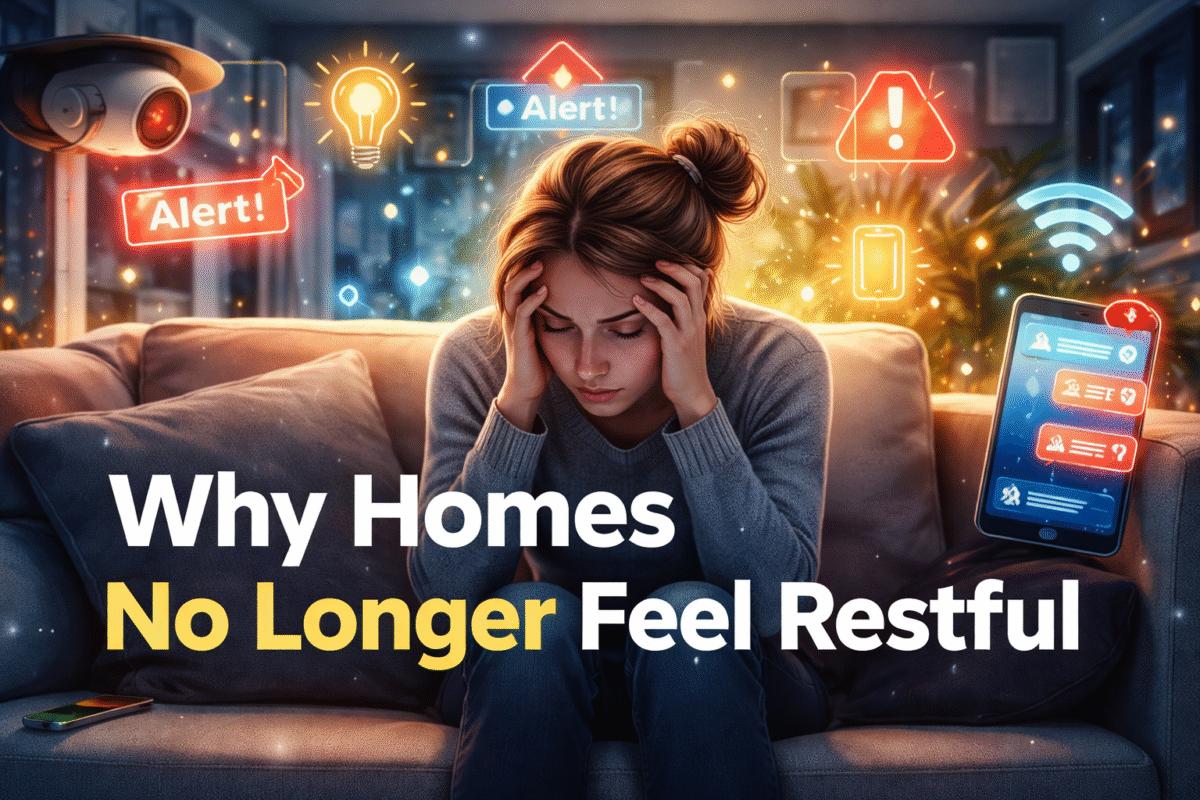
Interestingly, this emotional plateau mirrors how modern homes and digital environments feel overstimulated rather than restorative — a theme we explored in
Why Homes No Longer Feel Restful.
Technology saturation doesn’t always reduce functionality. It reduces novelty.
And novelty has always been the fuel of upgrade cycles.
What Could Break the Peak Smartphone Cycle?
If we truly are approaching peak smartphone, what would it take to disrupt it?
Historically, technological resets occur when one of three things happens:
- A new interface paradigm replaces the old one.
- A hardware constraint is radically removed.
- A new ecosystem redefines user behavior.
For smartphones, that could mean:
• Fully mature augmented reality glasses that reduce screen dependence.
• AI companions that operate across devices seamlessly.
• Battery technology breakthroughs that eliminate charging anxiety entirely.
• Satellite-level global connectivity built into standard models.
But until one of those shifts changes daily habits at scale, peak smartphone will continue to describe the current state of the industry: advanced, powerful, but incrementally evolving.
Is Peak Smartphone a Problem — or a Sign of Maturity?
It’s easy to frame peak smartphone as stagnation. But maturity is not failure.
Cars didn’t stop evolving when engines became reliable. Televisions didn’t collapse when 4K became standard. Innovation simply moved deeper — toward efficiency, software, and ecosystem layers.
The smartphone may be entering its stable era: fewer dramatic design risks, more subtle integration, longer lifespans, stronger sustainability narratives.
In that sense, peak smartphone could represent technological adulthood rather than decline.
The device is no longer trying to prove itself. It has already won.
FAQ: Understanding the Peak Smartphone Debate
What does peak smartphone mean?
Peak smartphone refers to the idea that hardware innovation in smartphones has reached a maturity point where annual upgrades feel incremental rather than revolutionary.
Are smartphones still improving?
Yes. Smartphones continue to improve in processing power, AI capabilities, camera systems, and battery efficiency. However, these improvements are often refinements rather than transformative leaps.
Will foldable phones end peak smartphone?
Foldables may introduce new form factors, but unless they fundamentally change user behavior, they may not fully reset the peak smartphone cycle.
Is it worth upgrading every year?
For most users, yearly upgrades are no longer necessary due to extended device longevity and strong software support across multiple years.
Final Thoughts: Living in the Age of Peak Smartphone
If we step back from marketing cycles and look at reality, we see something remarkable. Billions of people carry devices more powerful than supercomputers from previous decades. These devices connect us globally, enable remote work, facilitate creativity, and shape culture.
If this is peak smartphone, it is an extraordinary peak.
The future may not be about radically different phones. It may be about invisible intelligence layered into everyday life. The smartphone could quietly become the command center of AI-driven ecosystems rather than the star attraction.
And perhaps that’s the real evolution.
Not louder. Not flashier. Just smarter.
Whether we are fully at peak smartphone or simply approaching it, one thing is clear: the industry is transitioning from explosive growth to refined sophistication.
And that transition may be the most important chapter yet.
About the Author
Elias Chicas
Elias Chicas is the founder and editor of MadeMeBuyItNow.com, where he analyzes consumer behavior, emerging technology trends, and the psychology behind modern digital culture. His work focuses on breaking down complex tech topics into clear, insightful narratives that help readers understand not just what is happening — but why it matters.
Through in-depth reports on artificial intelligence, smartphone innovation cycles, digital ecosystems, and viral consumer trends, Elias explores how technology shapes decision-making, attention, and everyday life. His writing combines analytical depth with cultural context, offering readers a smarter way to interpret fast-moving tech headlines.
Explore more insights on
MadeMeBuyItNow.com.
🔥 Join 120,000+ Smart Shoppers!
Get exclusive gadget deals, viral Amazon finds and tech reviews before they trend. Only the best — straight to your inbox every week 🚀