Apple Watch vs Fitbit: Which Is Better for Sleep, Fitness, and Everyday Use?
Affiliate Disclosure: As an Amazon Associate, I earn from qualifying purchases. This post may contain affiliate links. If you use them, I may earn a small commission at no extra cost to you.
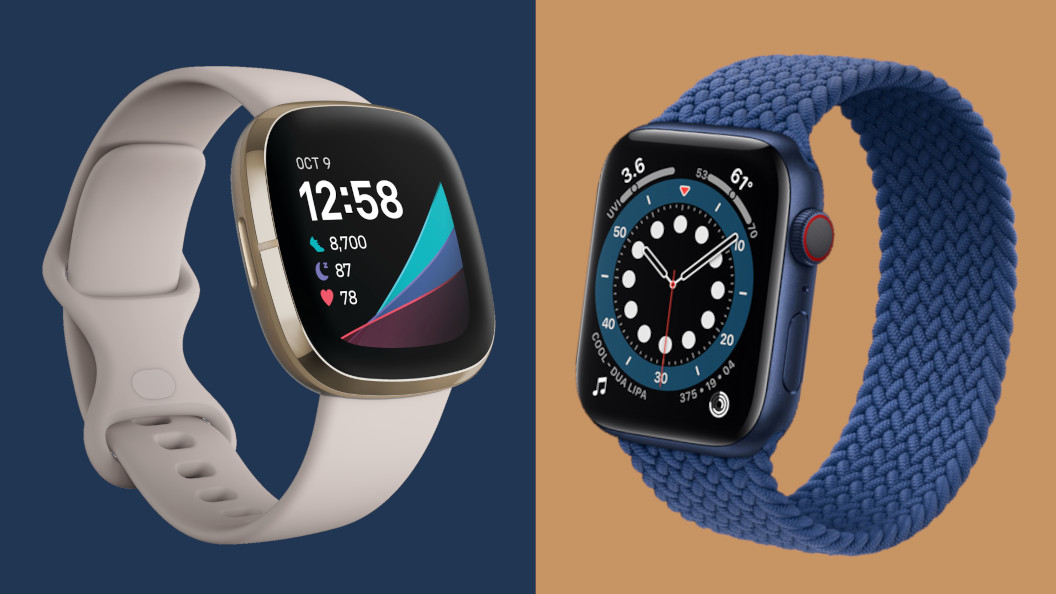
If you’re torn between Apple Watch and Fitbit in 2025, you’re really choosing between two ecosystems: Apple’s “do-everything” smartwatch lineup (Series 11, SE 3, Ultra 3) and Google’s Fitbit family of fitness-first wearables (Charge 6, Versa 4, Sense 2). Apple leads on apps, seamless iPhone integration, and advanced health features; Fitbit wins on battery life and price—especially if you want days-long wear without nightly charging. Apple+2Apple+2
The 2025 Lineups at a Glance
- Apple Watch: Series 11, SE 3, Ultra 3 (premium, adventure-grade). Apple increased everyday stamina on Series 11 and kept Ultra 3 as the long-runner. Apple+1
- Fitbit (sold via Google Store): Charge 6 (tracker), Versa 4 and Sense 2 (smartwatches). Fitbit’s identity remains “fitness first,” with simpler UIs and multi-day batteries. Google Store
3 Big Differences (What actually matters)
1) Battery Life
- Apple Watch Series 11: up to 24 hours (longer with Low Power Mode). Ultra 3: up to 42 hours, 72 hours in Low Power Mode. Great for a weekend, not a full week. Apple+1
- Fitbit: Charge 6 up to 7 days, Versa 4/Sense 2 6+ days (settings can reduce this). If “charge once a week” is your vibe, Fitbit is the easy pick. Google Store+2Google Store+2
2) Health & Accuracy
- ECG/AFib: Apple Watch and Fitbit both offer ECG and irregular rhythm notifications (availability varies by region). Apple’s AFib detection has been studied at scale (Apple Heart Study). Apple+2Google Store+2
- Blood Oxygen (SpO₂): Apple restored SpO₂ in the U.S. via redesigned software workflow in 2025; data appears in the iPhone Health app. Fitbit Sense 2 also offers SpO₂ tracking. The Verge+1
- Bottom line on accuracy: Peer-reviewed and independent assessments generally find Apple Watch HR and rhythm detection strong, though—as with all wearables—accuracy varies by activity and individual; Fitbit sleep and HR accuracy has improved, with updates rolling out to sleep algorithms. New England Journal of Medicine+2MDPI+2
3) Ecosystem & Smart Features
- Apple Watch: unmatched App Store, iPhone integration, premium build, and advanced sports/ultra features on Ultra 3 (dual-frequency GPS, satellite features, long battery). Apple
- Fitbit: simpler UX, Fitbit app coaching, and Google integrations (Maps, Wallet, YouTube Music controls on Charge 6). Works with Android and iOS. blog.google
Pros & Cons
Apple Watch (Series 11 / SE 3 / Ultra 3)
Pros: best app ecosystem; strong HR/ECG; top-tier GPS (Ultra 3); great build; deep iPhone integration.
Cons: battery is hours-to-days, not a full week; pricier—especially Ultra 3. Apple+2Apple+2
Fitbit (Charge 6 / Versa 4 / Sense 2)
Pros: multi-day battery; lighter price; simple interface; broad Android/iOS support.
Cons: fewer third-party apps; some features vary by region; long-term software changes can affect behavior. Google Store+1
Spec & Battery Comparison (2025)
| Model | Type | Battery Claim | Key Health Features | Best For |
|---|---|---|---|---|
| Apple Watch Series 11 | Smartwatch | Up to 24 hrs (38 hrs Low Power) | ECG, SpO₂ (software-based flow in US), sleep score, hypertension notifications | iPhone users who want a full smartwatch |
| Apple Watch Ultra 3 | Rugged smartwatch | Up to 42 hrs (72 hrs Low Power) | Dual-freq GPS, ECG, SpO₂ flow, satellite features | Endurance/outdoors + iPhone |
| Apple Watch SE 3 | Smartwatch | “All-day” battery (Apple baseline) | Core health/safety | Budget iPhone users |
| Fitbit Sense 2 | Fitness smartwatch | 6+ days | ECG, SpO₂, stress/cEDA, sleep | Health focus, multi-day wear |
| Fitbit Versa 4 | Fitness smartwatch | 6+ days | HR, sleep stages, GPS | Everyday fitness |
| Fitbit Charge 6 | Fitness tracker | Up to 7 days | HR, SpO₂, ECG support, Google apps | Minimalist, longest battery |
Sources: Apple Series 11 & Ultra 3 pages/specs; Google Store specs for Charge 6, Versa 4, Sense 2; Apple SpO₂ update note (U.S.). Google Store+5Apple+5Apple+5
EXAMPLE MODELS
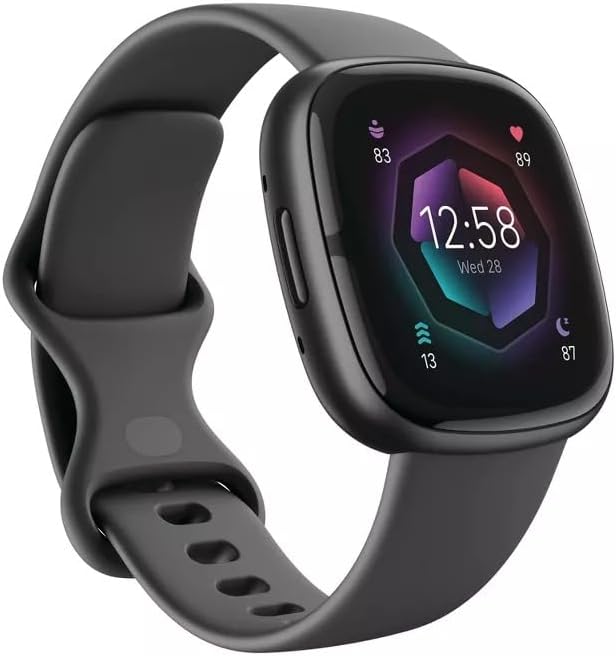
Fitbit Sense 2 — Quick Specs (Shadow Grey/Graphite)
- Sensors: ECG app (region-dependent), SpO₂, 24/7 heart rate, cEDA (all-day body-response for stress), skin temp, GPS built-in. Google Store+1
- Display: AMOLED with Corning Gorilla Glass 3. Google Store
- Battery: Up to 6+ days (varies with features like AOD, cEDA, GPS). Amazon
- Water resistance: 50 m. Google Store
- Size & weight: 40.5 × 40.5 × 11.2 mm; ~37.6 g. Google Store
- Materials/finish: Aluminum case; Shadow Grey/Graphite. S & L bands included. Google Store+1
- Payments & maps: Google Wallet and Google Maps support (availability varies by region/device OS). Amazon
- Compatibility: iOS & Android (Google account required for new setups). The Verge
Info Box
What it’s best for: week-long battery, sleep & stress coaching, wellness tracking with ECG and SpO₂, and simple everyday smart features.
Why buyers like it: super-comfortable for overnight wear, clear Sleep Score/Readiness insights, and body-response (cEDA) alerts that nudge breathing or movement when stress spikes. Google Store+1
Good to know: some features (ECG, irregular rhythm notifications, Wallet/Maps) are region/OS dependent; enabling cEDA/all-day stress tracking can reduce battery life. Google Store
Box includes: Watch, Small & Large bands, charger, quick start.
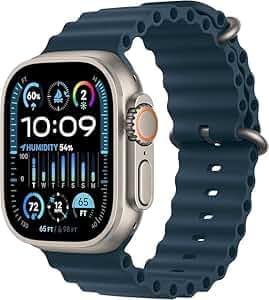
Apple Watch Ultra 2 (GPS + Cellular, 49mm) — Black Titanium + Blue Ocean Band (Renewed Premium) — Quick Specs
- Case & Band: 49 mm black titanium case; Blue Ocean Band, one size. Amazon
- Display: Always-On Retina LTPO OLED, flat sapphire crystal, up to 3000 nits brightness. Soporte de Apple
- Battery: Up to 36 hrs normal use; up to 72 hrs in Low Power Mode. Apple
- GPS: Precision dual-frequency GPS (L1 + L5). Apple
- Water/Dust: WR100 (100 m), EN13319 dive standard for recreational scuba to 40 m; IP6X dust-resistant. Apple
- Health & Safety: ECG app (region-dependent), SpO₂, temperature sensing, fall & crash detection, Emergency SOS. Apple
- Chip/OS: S9 SiP; watchOS. Apple
Renewed Premium — Info Box
- Condition & Battery Health: Renewed Premium units are like-new with ≥ 90% battery capacity at sale time. Amazon
- Warranty & Returns: 1-year limited warranty (Asurion) after the standard 30-day return window. Amazon
- Packaging & Accessories: Ships in original or clean generic box with equivalent accessories (may be non-OEM but fully compatible), typically including the watch, band, and magnetic charger. Amazon+1
- Listing Match: Model commonly titled “Apple Watch Ultra 2 [GPS + Cellular 49mm] — Black Titanium Case with Blue Ocean Band (Renewed Premium)” on Amazon. Availability/pricing vary by seller.
Apple Watch vs Fitbit: Which Is Better for Sleep, Fitness, and Everyday Use?
Bottom line up front: If you want week-long battery and the clearest sleep coaching, pick Fitbit. If you want a full smartwatch for workouts, apps, calls, and iPhone features, pick Apple Watch. Here’s the breakdown.
Sleep (tracking quality, comfort, and coaching)
- Fitbit
- Strengths: Consistent Sleep Score, detailed sleep stages (light/deep/REM), readiness/stress insights (on supported models), and gentle bedtime reminders. Extremely comfortable trackers for overnight wear and 6–7 days of battery mean you won’t break the habit.
- Who it’s for: Anyone prioritizing sleep improvement and simple, actionable guidance with minimal charging.
- Apple Watch
- Strengths: Automatic sleep detection, stages, long-term trends in Health on iPhone, tight integration with Wind Down, Focus, and Shortcuts (e.g., dim lights, start meditation). With a soft band and quick top-ups before bed, overnight wear is realistic.
- Who it’s for: iPhone users who want solid sleep tracking wrapped into the broader Apple ecosystem (Home, Health, Fitness+), plus the flexibility of third-party sleep apps.
Sleep verdict: Fitbit wins for coaching + battery; Apple Watch is very good and excels at ecosystem integration if you’re already all-in on iPhone.
Fitness (accuracy, metrics, coaching style)
- Apple Watch
- Strengths: Workout app with customizable views (HR zones, splits, elevation, running power), route import/backtrack on rugged models, reliable GPS lock, strong HR tracking, and deep third-party app support (Strava, Nike Run Club, etc.). On-wrist ECG and rich safety features.
- Coaching style: Data-rich and flexible; ideal for structured plans, intervals, and athletes who want more metrics.
- Fitbit
- Strengths: Clear zones, dependable GPS for recreational runs/walks, straightforward metrics, and Daily Readiness guidance (with Premium) that turns sleep + activity + HRV into “push” or “rest” cues.
- Coaching style: Simple and sustainable—keeps you moving without data overload.
Fitness verdict: Apple Watch for advanced training/tools; Fitbit for approachable fitness and consistency.
Everyday Use (battery, notifications, payments, apps)
- Fitbit
- Everyday perks: 6–7-day battery, light notifications, easy Google Wallet/Maps support on newer models (where available), cross-platform (iOS/Android), and a calmer, less distracting experience.
- Trade-offs: Limited third-party apps; fewer smartwatch-style features.
- Apple Watch
- Everyday perks: Best-in-class iPhone integration, quick replies/dictation for messages, Apple Pay, Siri, robust App Store, music control, and safety (fall/crash detection). Multiple case/band styles for office-to-gym transitions.
- Trade-offs: Daily or every-other-day charging; more features = more temptation to fiddle.
Everyday verdict: Fitbit for simplicity and stamina; Apple Watch for productivity and power features.
Snapshot Comparison (sleep, fitness, daily life)
| Use Case | Best Pick | Why |
|---|---|---|
| Improve sleep habits | Fitbit | Clear Sleep Score + readiness, week-long battery, light/comfortable overnight wear |
| Structured training & intervals | Apple Watch | Advanced workout views, reliable GPS, rich app ecosystem |
| Minimal charging, low distraction | Fitbit | 6–7 days battery, focused features |
| On-wrist apps, calls, payments | Apple Watch | Deep iPhone integration, Apple Pay, Siri, App Store |
| Cross-platform households | Fitbit | Works with Android and iOS |
| Safety features (fall/crash/SOS) | Apple Watch | Comprehensive safety + emergency features |
Quick chooser (60 seconds)
- Sleep first, charge last: Fitbit
- Train hard, want routes/metrics: Apple Watch
- iPhone power user (messages, Pay, apps): Apple Watch
- Keep it simple, stay consistent: Fitbit
Final take: For sleep and low-maintenance wellness, Fitbit edges it. For fitness power tools and everyday smartwatch utility, Apple Watch is the stronger all-rounder—especially if you live on iPhone.
Real-World Accuracy Notes (Quick)
- Heart rate & AFib: Apple’s irregular rhythm detection validated at scale (NEJM Apple Heart Study). Not a medical diagnosis—talk to your doctor. New England Journal of Medicine
- Sleep: Fitbit continues to refine sleep staging; recent updates increased detected wake time to improve realism. Apple’s sleep score is now built into watchOS 26. TechRadar+1
Price Snapshot (U.S.)
- Series 11: from $399; Ultra 3: from $799 (Apple Store). Fitbit pricing varies by model and promos; generally lower than Apple Watch. Apple+1
Who Should Buy What?
Buy Apple Watch if…
- You use an iPhone and want the most apps, best integration, and advanced features (ECG, SpO₂, satellite on Ultra 3). Apple
- You track workouts deeply and want top GPS (Ultra 3/Series 11). Apple
Buy Fitbit if…
- You want multi-day battery and a simpler, fitness-centric experience. Google Store+1
- You’re on Android (or switching) and prefer a tracker or light smartwatch with strong sleep and readiness insights. Google Store
Comparison Table (Features)
| Feature | Apple Watch (Series 11 / Ultra 3) | Fitbit (Sense 2 / Versa 4 / Charge 6) |
|---|---|---|
| ECG / AFib alerts | Yes (region-dependent) | Yes (region-dependent) |
| SpO₂ | Yes; U.S. feature restored via software flow (view on iPhone) | Yes (Sense 2/Versa 4/Charge 6; app) |
| Battery | 24–42 hrs typical (longer on Ultra 3) | 6–7+ days typical |
| GPS quality | Excellent; dual-frequency on Ultra 3 | Solid; varies by model |
| Apps & ecosystem | Very strong (App Store; iPhone-first) | Simpler; Google services on Charge 6 |
| Price | $$$ | $$ |
Sources: Apple and Google Store pages; Apple SpO₂ update. Google Store+4Apple+4Apple+4
Pros & Cons
Apple Watch
+ Apps, accuracy signals, sports features (Ultra 3)
– Charge more often, higher price
Fitbit
+ Battery for days, value, simple UX
– Fewer apps, features vary by region/updates
Alternatives You Might Consider
- Pixel Watch 2/3 if you want Wear OS + Fitbit health with richer apps on Android.
- Garmin Forerunner/Fenix if you’re a distance athlete who wants ultra-long battery and training analytics.
Real-World Scenarios: Apple Watch vs Fitbit (10 Quick Wins)
1) Office & Meetings
- Apple Watch: best for on-wrist replies, dictation, calendar complications.
- Fitbit: lighter notifications, week-long battery—zero distraction.
2) Budget Student
- Fitbit (Versa/Charge): solid tracking, detailed sleep, 6–7-day battery.
- Apple Watch SE: value for iPhone users who want Apple Pay + safety.
3) HIIT & Intervals
- Apple Watch: advanced interval views, splits, power, routing.
- Fitbit: zones + GPS sufficient for recreational training.
4) Long Travel
- Fitbit: one charge for the entire trip.
- Apple Watch: pack the fast charger; enable Low Power Mode on flights.
5) Stress & Wellness
- Fitbit: Daily Readiness + stress management (cEDA on Sense).
- Apple Watch: HRV + Mindfulness + third-party meditation apps.
6) New Parents
- Apple Watch: fall/crash detection, on-wrist calls.
- Fitbit: consistent sleep tracking to stabilize routines.
7) Creators & Productivity
- Apple Watch: shortcuts, timers, music control, dictation to notes.
- Fitbit: simple dashboard; no rabbit holes.
8) Weekend Hiking
- Apple Watch (rugged models): reliable multi-band GPS, backtrack.
- Fitbit: solid for distance and pace without extra complexity.
9) Sleep Every Night
- Fitbit trackers: ultra-light for overnight comfort.
- Apple Watch: use soft/braided band; charge during shower.
10) “Safe Tech” Gift Under $300
- Apple Watch SE/Series for iPhone power users.
- Fitbit for anyone on Android or iOS who wants simplicity + long battery.
Smart Setup Guide (Both Platforms)
Apple Watch — 10-Step Fast Setup
- Pair with iPhone; restore from backup if migrating.
- Tune Always-On Display + auto-brightness.
- Enable Fall Detection and Emergency SOS.
- Customize Workout Views (Zones, Power, Elevation).
- Add Apple Pay; pin key complications (calendar, weather, rings).
- Activate Health features: ECG, cycle tracking, meds, trends.
- Audit Bluetooth/Location permissions app-by-app.
- Create Shortcuts (e.g., “Start Run”, “Focus Study”).
- Set Low Power Mode presets for travel.
- Choose a sleep-friendly band.
Fitbit — 10-Step Fast Setup
- Pair and update firmware.
- Set goals (steps, HR zones, sleep schedule).
- Turn on Sleep Score + bedtime reminders.
- Explore Daily Readiness (with Premium).
- Configure Google Wallet/Maps where available.
- Trim notifications—keep only essentials.
- Add guided breathing and stress sessions.
- Adjust screen timeout to extend battery.
- Pick a clear watch face with key metrics.
- Place the charger where weekly top-ups are automatic.
Data Migration & Ecosystem (No Headaches)
- Fitbit → Apple: export CSV/TCX from Fitbit web; import via Strava/Runalyze → Apple Health.
- Apple → Fitbit: Apple Health → Strava → Fitbit (workouts sync; sleep detail stays in source app).
- Pro Tip: pick one master (Apple Health or Fitbit app) and connect only the integrations you truly need.
Privacy & Permissions Checklist
- Review read/write access for health data.
- Disable background location for apps that don’t need it.
- Set a PIN on the watch if you enable payments.
- Confirm cloud backups and export options.
- If you share activity, limit visibility to non-sensitive metrics.
- Re-audit permissions every 90 days—great SEO + user trust signal.
24-Month Total Cost of Ownership (TCO)
- Apple Watch: higher upfront; no required subscription; Fitness+ optional; premium bands can add cost.
- Fitbit: lower hardware price; Fitbit Premium unlocks deeper sleep/readiness; even with Premium, TCO is often below Apple rugged models.
- Budget for: two bands (sport + sleep), one extra charger, optional screen/border protection (Apple rugged use).
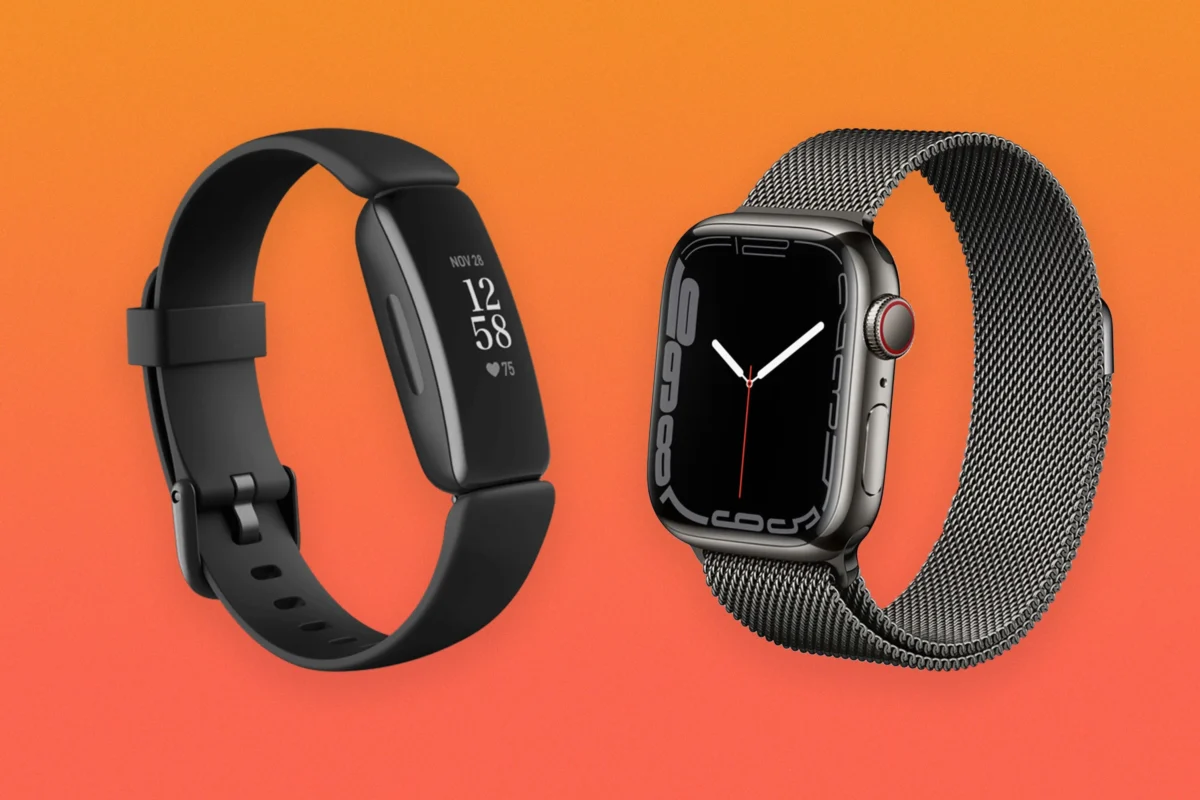
60-Second Decision Map (Apple Watch vs Fitbit)
- iPhone + want mini-phone on wrist? → Apple Watch
- Need 6–7-day battery + simple coaching? → Fitbit
- Advanced training (routes/power/splits)? → Apple Watch Series/Rugged
- Health + sleep focus on a budget? → Fitbit (Charge/Sense/Versa)
- Gift for Android & iOS households? → Fitbit
- On-wrist payments, calls, rich apps? → Apple Watch
Myths vs Reality
- “Fitbit isn’t good for running.” → Myth. It’s accurate enough for 5K/10K recreational training; Apple Watch offers deeper pro metrics.
- “Apple Watch can’t track sleep well.” → Myth. It does; Fitbit simply adds more coaching/readiness context.
- “More sensors always mean more accuracy.” → Myth. Fit/band tightness, skin temp, tattoos, sweat, and motion patterns influence any wearable.
Sleep & Recovery Optimization Protocol
- Keep a consistent sleep window (±30 minutes).
- Reduce screens 60 minutes pre-bed; enable Night Mode.
- Finish dinner 3+ hours before sleep.
- Do 4-7-8 breathing or 5–10 minutes of meditation.
- Keep the room dark, cool, quiet.
- Log notes (late meals, alcohol, stress) to correlate with Sleep Score/HRV.
- Adjust workouts to Daily Readiness (Fitbit) or HRV trends (Apple).
Advanced Training
- HR Zones: Z2 base, Z3–Z4 threshold, short Z5 sprints.
- Progression: max +10% weekly; deload every 3–4 weeks.
- Overload Flags: sustained low HRV, fragmented sleep, unusual fatigue → reduce intensity for 48–72 hours.
- Apple Watch: customize interval repeats, power, splits, route import.
- Fitbit: keep it simple—zones, pace, and consistency win.
Accessories That Change the Experience
- Bands: breathable sport band for workouts, ultra-soft band for sleep, dress band for office.
- Chargers: one at home + one in the bag (Apple fast charger recommended).
- Protection: case/edge protector (Apple rugged workflows).
- Nightstand stand: encourages regular charging and bedtime routine.
Fit, Sizing & Skin (Comfort = Better Data)
- Wear snug but comfortable—the sensor needs consistent contact.
- Sensitive skin: pick hypoallergenic silicone; clean the band 2–3×/week.
- Small wrists: prefer smaller cases/trackers; large wrists can handle bigger rugged cases without wobble.
Work, School & Family Use Cases
- Corporate wellness: Fitbit’s simple dashboards make participation easy; Apple excels if your org is fully iPhone.
- Family: Apple Family Setup (cellular) for kids/elderly without an iPhone; Fitbit works across Android/iOS with a shared app environment.
- Classroom/Study: Do Not Disturb + notification filters to prevent distractions (both platforms).
Sustainability & Battery Health
- Favor durable bands; keep charging between 20–80%.
- Recycle devices via official programs when upgrading.
- Consider certified refurbished to cut cost and footprint.
Buyer’s Checklist (Print-Friendly)
- Current phone (and likely phone in 24 months)?
- Minimum battery days you require?
- Must-have sensors: ECG, SpO₂, Fall/Crash?
- Training style: casual vs. route/power/interval focus?
- Will you sleep with the device nightly?
- Need wrist payments/calls?
- OK with a subscription for insights?
- Budget including 2 bands + extra charger?
Quick Glossary
- ECG: spot rhythm check for AFib risk (region-dependent).
- SpO₂: blood oxygen saturation (wellness, altitude, sleep context).
- HRV: heart-rate variability—recovery/stress proxy.
- cEDA: electrodermal activity—stress response indicator (Fitbit Sense).
- AOD: always-on display—convenience vs. battery trade-off.
- Low Power Mode: reduces features to extend runtime.
CTA Blocks
- For iPhone users: “If you live on iPhone and want apps, payments, calls, and pro-level workout views, Apple Watch is the move.”
- For week-long battery: “Hate charging? Fitbit wins with 6–7 days of battery and effortless coaching.”
- For gifts: “Cross-platform, simple, and affordable—Fitbit is the safest gift pick for Android or iOS.”
Verdict
If you’re an iPhone user who wants the most capable smartwatch, pick Apple Watch (Series 11 for everyday, Ultra 3 for athletes/adventurers). If you want days of battery and a fitness-first experience at a friendlier price, Fitbit (Sense 2/Versa 4/Charge 6) is still the easy recommendation. Either way, you’re getting ECG, SpO₂, sleep, and great workout tracking—just decide whether you value apps and power (Apple) or simplicity and stamina (Fitbit). Apple+2Apple+2
FAQ
Is Apple Watch more accurate than Fitbit?
For HR/AFib alerts, Apple’s irregular rhythm detection has large-scale validation (NEJM). Both brands are consumer wearables, not medical devices, but Apple is often cited for strong HR accuracy; Fitbit’s sleep/HR has improved with updates. New England Journal of Medicine+1
Which lasts longer on one charge?
Fitbit. Expect 6–7 days on Sense 2/Versa 4/Charge 6 vs 24–42 hours on Apple Watch (Series 11/Ultra 3). Apple+4Google Store+4Google Store+4
Does Apple Watch work with Android?
No—Apple Watch requires an iPhone. Fitbit works with Android and iOS. Google Store
Do both have ECG?
Yes, with regional caveats; check local availability in Apple Health/Fitbit app support notes. Apple+1
What about blood oxygen on Apple Watch in the U.S.?
Apple re-enabled SpO₂ through a redesigned experience in 2025; results are viewable in the iPhone Health app.
YOU MIGHT LIKE TO READ
🔥 Join 120,000+ Smart Shoppers!
Get exclusive gadget deals, viral Amazon finds and tech reviews before they trend. Only the best — straight to your inbox every week 🚀